

Colorado offers some of the most varied hiking in the United States, from short, family friendly lake walks to demanding fourteener summits above 14,000 feet. This guide covers genuinely well established, verifiable trails across the state, along with the permit systems, seasonal considerations, and altitude safety information that actually matter for planning a real trip.
Hanging Lake
Hanging Lake, near Glenwood Springs, is one of Colorado’s most photographed hikes: a 1.2 mile trail gaining about 1,200 feet to a strikingly turquoise, travertine formed lake fed by waterfalls. Because of its popularity and ecological sensitivity, a timed entry permit is required year-round, currently priced around $12 per person including parking, booked through the trail’s official reservation system with a three hour hiking window per reservation. The trail is rated moderate to strenuous, crossing Deadhorse Creek on a series of bridges, and sits at over 7,000 feet, so visitors from lower elevations should pace themselves.
Maroon Bells
The Maroon Bells, outside Aspen, are arguably Colorado’s most photographed mountain peaks, reflected in Maroon Lake against a backdrop of two dramatic 14,000 foot summits. Reservations are required to access the scenic area during peak season, running roughly from mid-May through mid-October, with visitors choosing either a shuttle reservation, priced around $16 for adults and $10 for children and seniors, or a timed vehicle parking reservation around $10, but not both. The easy loop trail around Maroon Lake itself is accessible to most visitors, while longer routes head deeper into the Maroon Bells-Snowmass Wilderness for more experienced hikers.
Longs Peak
Longs Peak, in Rocky Mountain National Park, is one of Colorado’s most iconic fourteeners and one of the most demanding standard routes among the state’s 14,000 foot peaks. The Keyhole Route covers roughly 14 to 15 miles round trip with about 5,000 feet of elevation gain, involves exposed scrambling near the summit, and typically requires a pre-dawn start to avoid dangerous afternoon lightning, a serious and genuinely common risk above treeline in Colorado’s mountains during summer. This is a serious mountaineering objective rather than a casual day hike, and it deserves realistic preparation and fitness.
Garden of the Gods
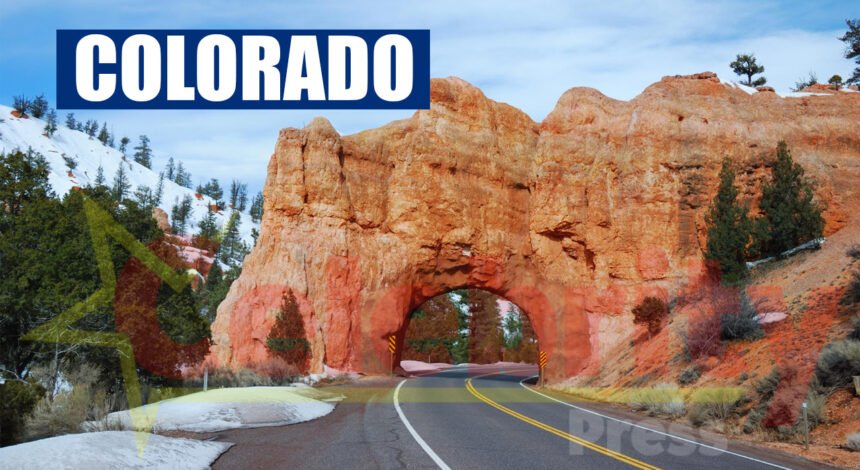
For a dramatically different, low elevation experience, Garden of the Gods in Colorado Springs offers striking red sandstone rock formations along a network of mostly flat, accessible trails, including a paved perimeter path suitable for visitors of nearly any fitness level. Unlike the mountain destinations above, entry and trail access are free, with no permit required, making it a practical option for travelers with limited time, families with young children, or anyone acclimatizing to altitude before attempting a higher elevation hike elsewhere in the state.
Bear Lake Area
Rocky Mountain National Park’s Bear Lake corridor offers a range of trail lengths starting from one of the park’s most accessible trailheads, from the short, largely flat loop around Bear Lake itself to longer routes reaching Nymph, Dream, and Emerald Lakes further up the valley. Rocky Mountain National Park requires a timed entry permit during the busy summer season for many park areas, separate from the park’s standard entrance fee, so checking current park reservation requirements before visiting is an important planning step.
Four Pass Loop
For experienced backpackers, the Four Pass Loop circles the Maroon Bells-Snowmass Wilderness across four mountain passes, each above 12,000 feet, typically completed over three to five days covering roughly 26 to 28 miles. This route requires backcountry camping permits and genuinely serious backpacking experience, given the sustained high elevation exposure and significant daily elevation change, and is best suited to hikers who have already built up experience at lower elevation multi-day routes.
Permits and Fees
Colorado’s most popular trails increasingly use timed entry or reservation systems specifically to manage overcrowding and protect fragile alpine and riparian ecosystems, a pattern that has expanded significantly across the state’s most visited destinations in recent years. Before planning a trip around any specific trail mentioned here, checking that trail’s official reservation system directly for current pricing and availability windows is essential, since permit systems and pricing are reviewed and adjusted from season to season.
Altitude Safety
Colorado’s elevation is a genuine safety consideration that catches many visitors from lower elevation areas off guard. Altitude sickness can affect hikers starting even at trailheads above 8,000 or 9,000 feet, with symptoms including headache, nausea, and fatigue, and afternoon thunderstorms are a serious, sometimes fatal risk above treeline throughout the summer, which is why experienced Colorado hikers consistently recommend starting high elevation hikes well before dawn to be off exposed ridgelines before storms typically build in early afternoon.
Best Seasons
Colorado’s high country trails are typically only fully accessible from June through September, once winter snowpack clears from higher elevations, though lower elevation trails like Garden of the Gods are hikeable year-round. Wildflower season generally peaks in July, while September offers cooler temperatures and changing aspen colors at the cost of a shorter daylight window and increasing chance of early season snow at higher elevations.
Packing Tips
Layered clothing is essential given how quickly mountain weather and temperature can shift across a single day, along with sun protection given Colorado’s high elevation sun exposure, more than adequate water since the dry climate increases dehydration risk, and a paper map or offline navigation given that cell service is unreliable or absent across most of the state’s backcountry and even many frontcountry trailheads.
Ice Lakes Basin
Near Silverton in southwest Colorado, Ice Lakes Basin is known for a strikingly vivid, almost artificial looking turquoise alpine lake, a color caused by fine glacial rock flour suspended in the water. The hike covers roughly 7 to 8 miles round trip with substantial elevation gain above 11,000 feet, and while no permit is currently required, the trail has become popular enough that parking at the trailhead fills quickly during peak summer weekends, making an early morning start a practical necessity rather than just a safety precaution.
Sky Pond
Also within Rocky Mountain National Park, the trail to Sky Pond passes several other scenic lakes along the way, including Alberta Falls and the Loch, before a steep, sometimes wet rock scramble beside a waterfall leads to Sky Pond itself, framed dramatically by the Sharkstooth and Taylor Peak. At around 9 to 10 miles round trip with significant elevation gain, this is a full day hike requiring sturdy footwear given the scrambling sections, and it falls under the park’s timed entry system during peak season like the nearby Bear Lake corridor.
Chautauqua Park
For a shorter, more accessible mountain hike near Boulder, Chautauqua Park offers direct access to the First and Second Flatirons and a range of trail options, including the popular but strenuous Royal Arch trail, a roughly 3.4 mile round trip climbing steeply to a natural rock arch with sweeping views over Boulder. Unlike the more remote destinations above, Chautauqua sits within city limits, making it an easy, permit-free option for visitors based in Boulder or Denver with limited time.
Choosing By Fitness
Matching a trail to your actual fitness and altitude acclimatization, rather than its popularity or photogenic reputation, is the single most important planning decision for a safe, enjoyable Colorado hike. A visitor arriving directly from sea level should generally favor lower elevation, shorter options like Garden of the Gods or Chautauqua Park for the first day or two, saving longer, higher elevation routes like Sky Pond, Ice Lakes Basin, or any fourteener attempt for later in a trip once some acclimatization has occurred.
Leave No Trace
Colorado’s high alpine ecosystems are genuinely fragile and slow to recover from damage, with some tundra vegetation taking decades to regrow after being trampled off-trail. Staying on established trails, packing out all trash, and following posted guidance around camping and campfire restrictions, particularly during dry summer months when wildfire risk is elevated across much of the state, are practical responsibilities that fall on every visitor, not just a courtesy suggestion.
Wildlife Awareness
Colorado’s backcountry is home to black bears, moose, and mountain lions, and encounters, while relatively uncommon, are a real consideration worth basic preparation for. Storing food properly, keeping a respectful distance from any wildlife encountered, especially moose, which can be more aggressive than many hikers expect, and knowing basic guidance for an unlikely mountain lion encounter are all worth reviewing before a Colorado backcountry trip, particularly for visitors unfamiliar with these species.
Booking Lead Time
Given how popular destinations like Hanging Lake and Maroon Bells have become, reservation slots for these specific trails can fill up days or weeks in advance during peak summer season, making early booking, ideally as soon as your travel dates are confirmed, a practical necessity rather than an optional convenience for anyone specifically planning a trip around these two destinations.
Guided Options
For visitors less comfortable navigating permit systems or unfamiliar terrain independently, licensed local guide services operating in areas like Aspen, Estes Park, and Silverton offer led hikes to many of the destinations covered here, often including permit handling, transportation, and safety expertise as part of the package, a worthwhile option particularly for a first Colorado high-altitude hiking trip.
Combining Multiple Trails
Many visitors build an itinerary combining several of these destinations across a single trip, such as pairing Rocky Mountain National Park’s Bear Lake corridor with a Denver-based day at Chautauqua Park, or combining Aspen’s Maroon Bells with the Four Pass Loop for a mixed day-hike and backpacking trip. Planning realistic driving distances between regions, since Colorado’s mountain geography often makes travel times longer than straight-line map distances suggest, is worth factoring into any multi-destination itinerary.
Checking Fire Restrictions
Colorado regularly imposes temporary fire bans and, in more severe cases, full trail or forest closures during dry summer months, so checking current US Forest Service, National Park Service, or Bureau of Land Management alerts for your specific destination shortly before departure is a genuinely important last step, since these restrictions can change quickly and aren’t always reflected in older trail guides.
A Note on Crowds
Even trails without a formal permit system, such as Ice Lakes Basin, have grown crowded enough in recent years that an early start, ideally before sunrise for the most popular destinations, has become the practical equivalent of a reservation system for avoiding both parking shortages and a diminished, crowded trail experience during peak summer weekends.
Conclusion
Colorado’s best known hikes span a genuinely wide range, from the accessible, permit-free trails of Garden of the Gods to the demanding, permit-requiring fourteener routes like Longs Peak, with iconic scenic destinations like Hanging Lake and Maroon Bells requiring advance reservations due to their popularity. Successful trip planning depends on checking each trail’s current, official permit and reservation requirements directly, respecting the state’s real altitude and afternoon storm risks, and matching trail choice honestly to your own fitness and experience level.
FAQ
1. Do I need a permit to hike in Colorado?
It depends on the specific trail. Popular destinations like Hanging Lake and Maroon Bells require paid reservations, Rocky Mountain National Park requires timed entry during peak season for some areas, while many other trails, including Garden of the Gods, remain free and permit-free.
2. What’s the best month to hike in Colorado?
July and August offer the most reliable access to high elevation trails, though afternoon thunderstorms are common; September offers cooler weather and fall color with a shorter accessible window at higher elevations.
3. Is altitude sickness a real concern for hikers?
Yes. Trailheads above 8,000 to 9,000 feet can trigger altitude sickness symptoms even in fit hikers unaccustomed to elevation, so acclimatizing for a day or two before attempting a high elevation hike is a reasonable precaution.
4. What is a fourteener?
A Colorado mountain peak exceeding 14,000 feet in elevation; the state has more of these peaks than any other US state, and routes vary enormously in difficulty from long, exposed scrambles like Longs Peak to more moderate standard routes on other peaks.
5. Why do some Colorado trails require reservations now?
Rapidly growing visitor numbers at iconic, ecologically sensitive destinations like Hanging Lake and Maroon Bells led land managers to introduce timed entry systems specifically to reduce overcrowding and protect fragile terrain.