

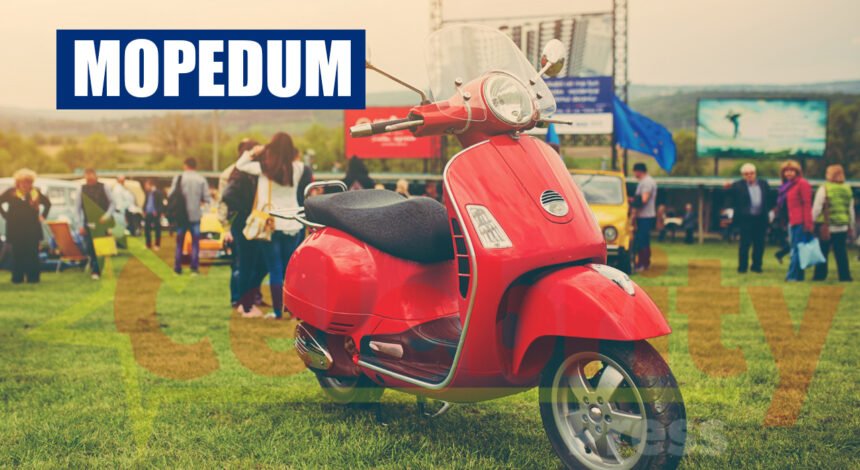
Mopedum, formally known as Mopedum Svenska Nostalgimuseet, refers to a genuine, real world museum in Sweden built around vintage mopeds and mid-century Swedish everyday life, not an invented brand name or a vague content-farm term. This guide explains what Mopedum actually was, why it earned such strong visitor praise, and an important update for anyone hoping to visit: independent listings now show it as permanently closed.
What Mopedum Actually Was
Mopedum Svenska Nostalgimuseet, which translates roughly to “the moped museum, Swedish nostalgia museum,” was a small, independently run museum located in Nynäshamn, a coastal town south of Stockholm, Sweden. Rather than functioning as a narrow, purely mechanical exhibit of vintage mopeds, the museum built its exhibits around a broader narrative, following a fictional Swedish couple’s life across the 1950s and 1960s, using period mopeds alongside toys, household goods, and other everyday cultural artifacts to illustrate how ordinary Swedish life and design changed across those decades.
This storytelling approach, using a personal narrative thread to connect a themed collection of objects, set Mopedum apart from a typical static vehicle museum and appears to be a significant part of why visitors found it memorable rather than merely educational in a dry, technical sense.
Why Visitors Consistently Praised It
Independent visitor review platforms, including TripAdvisor, Yelp, and Wanderlog, show Mopedum earning notably strong ratings, with one listing reporting a 4.6 out of 5 star average across visitor reviews. Recurring themes in visitor feedback include appreciation for the museum’s engaging narrative structure, its evocative recreation of Swedish domestic life from the era, and a nostalgic on-site café that continued the immersive theme with period appropriate décor and set pieces rather than functioning as a purely separate amenity.
This kind of consistent, specific, and independently verifiable praise, across multiple unrelated review platforms rather than concentrated on the museum’s own marketing materials, is exactly the sort of confirmation that distinguishes a genuine, well regarded attraction from an unverified or invented claim, and it stands in clear contrast to the vague, contradictory descriptions that typically characterize invented content-farm brand names covered in other guides like this one.
An Important Update: Mopedum Has Closed
Anyone researching Mopedum today, whether for a potential visit or simply out of curiosity, should know that available listings indicate the museum is no longer operating. Its TripAdvisor listing specifically notes a “permanently closed” status. This is a meaningful and time-sensitive update, since older articles, blog posts, and even some travel guides may continue to describe Mopedum as an active, visitable attraction without reflecting this more recent change.
Museums and small, independently run cultural attractions like this one, particularly those built around a specific, personal collection rather than institutional or government backing, can be especially vulnerable to closure due to funding challenges, retirement of a founding owner, lease or property changes, or the broader economic pressures facing small tourism operations. Without more specific, current information from an official source, the precise reason behind Mopedum’s closure isn’t something this guide can confirm, but the closure itself appears well supported by independent listing data.
Why This Kind of Update Matters for Travelers
This case is a useful, low-stakes reminder of a broader travel research principle: even a genuinely real, well documented, and well regarded attraction can change status over time, and older content describing it, even accurate content at the time it was written, can become outdated without any clear signal to a later reader. Before planning a visit to any smaller, independently run attraction based on an article or blog post, checking multiple current, dated sources, including recent reviews with visible dates and the venue’s own current social media activity if any still exists, is a reasonable step to confirm current operating status.
This principle applies well beyond Mopedum specifically. Small museums, family run restaurants, seasonal attractions, and specialty shops are all more likely to change status over a period of a few years than a major national institution, which makes checking recency an especially important habit for this particular category of travel destination.
What Made Mopedum Distinctive Within Sweden’s Museum Landscape
Sweden hosts a wide range of transport-related and cultural heritage museums, from larger, institutionally backed vehicle collections to small, passion project style museums run by individual collectors and enthusiasts. Mopedum appears to have fit into this second category: a personally curated, thematically coherent collection built by someone with a genuine, specific interest in both mopeds and the broader material culture of mid-century Swedish life, rather than a large scale, professionally staffed institution.
This kind of small, personally curated museum often offers a more intimate, idiosyncratic visitor experience than larger institutions, since the collection and its presentation typically reflect one person’s or a small team’s specific perspective and passion, which several visitor reviews of Mopedum specifically highlighted as part of its appeal.
The Broader Category of Moped and Vehicle Nostalgia Museums
Mopedum is part of a broader, genuine category of small transport nostalgia museums found across Europe, dedicated to preserving and presenting the history of mopeds, scooters, motorcycles, and other everyday vehicles that played a significant role in mid-twentieth-century mobility and youth culture, particularly across Scandinavia and continental Europe. These museums typically combine restored vehicles with contextual cultural artifacts and, often, a personal or regional narrative frame, similar to the approach Mopedum reportedly took.
For anyone genuinely interested in this category of museum, searching specifically for currently operating vehicle heritage museums in the relevant country or region, and checking recent visitor reviews for confirmation of current operating status, is a more reliable approach than relying on any single older article, given how the Mopedum case illustrates how quickly such status can change for smaller institutions.
How to Verify the Current Status of Any Small Museum or Attraction
- Check multiple independent review platforms, such as TripAdvisor, Yelp, or Google Maps, and look specifically for a status indicator or recent, dated reviews rather than relying on the overall star rating alone.
- Search for the attraction’s own official website or social media accounts and check the date of the most recent posted activity.
- Look for local news coverage or regional tourism board listings, which are often updated more promptly than individual blog articles when a small attraction closes.
- If planning a specific trip, consider contacting the venue directly by phone or email in advance to confirm current hours and operating status, especially for smaller, independently run attractions.
- Treat any single article’s description of a small museum or attraction as a starting point for further verification rather than a final, current confirmation, given how quickly this category of business can change status.
What This Case Teaches About Researching Niche Travel Destinations
Mopedum’s story, a genuine, well loved, independently run museum that appears to have since closed, illustrates a different kind of research challenge than the invented brand names and vague search terms covered elsewhere in guides like this one. Here, the challenge isn’t distinguishing fact from fabrication, since the museum’s past existence and quality are well supported by independent, dated reviews, but rather distinguishing current, up to date information from accurate but now outdated information.
Both challenges call for the same underlying habit: checking multiple, independent, ideally dated sources rather than relying on any single article, whether that article turns out to be describing something that never existed or something that once existed but no longer does.
The Broader Story of Moped Culture in Sweden
Understanding why a museum dedicated specifically to mopeds would resonate so strongly with Swedish visitors requires some context about the moped’s cultural role in Sweden during the decades Mopedum’s exhibits covered. Mopeds became an especially significant part of Swedish youth culture and everyday transportation from the 1950s through the 1970s, offering an affordable, accessible form of personal mobility for young people and working households at a time when full sized cars remained a larger financial commitment for many families.
This meant that, for many Swedes who grew up during this period, a moped wasn’t simply a vehicle but a genuine marker of independence and a shared generational experience, which likely explains why a museum framing its moped collection through a personal, narrative lens, following one couple’s life across these decades, connected so effectively with visitors reliving or learning about this specific cultural moment, rather than presenting the vehicles as purely mechanical or technical artifacts divorced from their social context.
Other Ways to Explore Swedish Transport and Cultural Heritage Today
For readers who found Mopedum’s concept appealing and are looking for a similar experience despite its closure, Sweden hosts a range of other transport heritage and cultural museums worth researching directly, including larger, institutionally supported motor vehicle and technology museums as well as other smaller, regionally focused heritage collections addressing everyday Swedish life across different eras. Regional tourism offices and Sweden’s national museums association are reasonable starting points for identifying currently operating options in a similar spirit.
It’s also worth checking whether Mopedum’s actual collection was transferred, sold, or absorbed into another institution following its closure, since smaller private museums sometimes place their collections with a larger regional museum or a dedicated collector’s association rather than the items being dispersed entirely, though no specific, confirmed information about the collection’s current whereabouts was found during this research.
Why Nynäshamn Made Sense as a Setting for This Kind of Museum
Nynäshamn, the coastal town south of Stockholm where Mopedum was located, is primarily known as a ferry port connecting mainland Sweden to Gotland and, further afield, the Baltic states, giving it a steady flow of both local visitors and travelers passing through en route to other destinations. This kind of transit-adjacent location can be a genuinely practical setting for a smaller, independently run museum, since it offers a chance to capture visitors already traveling through the area rather than depending entirely on being a standalone, planned destination in its own right.
The town’s own local character, a working harbor community within reasonable day-trip distance of Stockholm, also fits reasonably well with a museum built around themes of everyday, working and middle class Swedish life across the mid-twentieth century, since this kind of nostalgic, community rooted storytelling often resonates most in exactly the kind of smaller town setting where those depicted everyday experiences were most commonly lived, rather than in a major capital city more associated with formal institutional history.
Conclusion
Mopedum, formally Mopedum Svenska Nostalgimuseet, was a genuine, independently run nostalgia museum in Nynäshamn, Sweden, built around vintage mopeds and mid-century Swedish cultural artifacts, and it earned consistently strong, specific praise across multiple independent review platforms during its operation. However, current listing data indicates the museum is now permanently closed, making it an important example of why even accurate travel information can become outdated and worth double-checking before planning an actual visit.
Frequently Asked Questions
1. Is Mopedum a real museum?
Yes. It was a genuine, independently run nostalgia museum in Nynäshamn, Sweden, focused on vintage mopeds and mid-century Swedish cultural life, confirmed through consistent, specific reviews across multiple independent platforms.
2. Can I still visit Mopedum?
Available listing information indicates the museum is now permanently closed, so travelers should not plan a visit based on older articles describing it as currently operating.
3. What made Mopedum different from a typical vehicle museum?
It combined vintage mopeds with a broader collection of period toys and household goods, presented through a narrative following a fictional couple’s life across the 1950s and 1960s, rather than functioning as a purely mechanical, static vehicle exhibit.
4. Why do small museums like this sometimes close?
Independently run, passion project style museums can be especially vulnerable to closure due to funding challenges, an owner’s retirement, property or lease changes, or the general economic pressures facing small tourism businesses, though the specific reason for Mopedum’s closure isn’t confirmed by available information.
5. How can I check whether a small attraction I read about is still open?
Check multiple independent, dated review sources, look for recent official social media activity, and consider contacting the venue directly before planning a trip around it.