

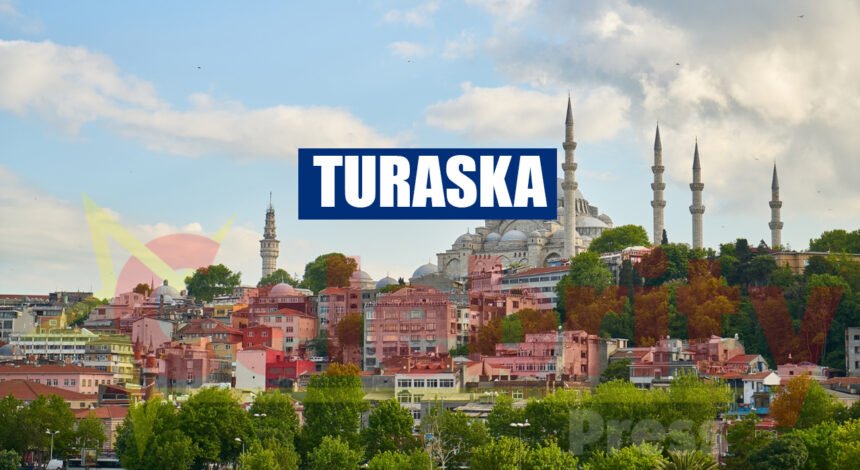
Turaska is a word that surfaces again and again in old Sanskrit writing, and most readers who stumble across it have never seen it explained clearly. At its core, Turaska (also spelled Turuṣka or Turushka) is a historical term ancient Indian writers used to describe foreign tribes from the northwest, especially those with Turkic or Central Asian roots. The word carries centuries of history inside it, touching on migration, warfare, trade, and the way one civilization described people it saw as outsiders. This article breaks down where the word came from, how it was used, and why it still matters today.
The Sanskrit Origin of Turaska
The classical form of the word is Turuṣka, which appears throughout Sanskrit literature as a label for people living beyond the traditional boundaries of Vedic society. Scholars generally trace it to descriptions of Central Asian groups known for their mobility and skill in warfare, particularly on horseback. Ancient Indian authors did not use the term for one single ethnic group; instead, they applied it broadly to anyone arriving from the northwest who did not fit within familiar cultural or political categories.
This pattern was common in ancient Indian texts, where outsiders were often grouped together under wide labels rather than named individually. Turaska fits into that same tradition, sitting alongside similar terms used for foreign or non-native peoples. The exact linguistic root is still debated among scholars, and no single explanation has been universally accepted, but the connection to Central Asian and Turkic groups remains consistent across nearly every historical source.
Where the Word Appears in Ancient Texts
Turaska is not a rare or isolated reference. It shows up in several major works of classical Indian literature, including the Mahabharata, the Vishnu Purana, and the Bhavishya Purana. Later writers also used the term in works such as the Rajatarangini, a historical chronicle of Kashmir, and the Kathasaritsagara, a large collection of stories compiled in the medieval period.
These appearances show that Indian societies were aware of Central Asian peoples long before the medieval invasions that later reshaped South Asian history. The recurring use of Turaska across different eras and genres, from epic poetry to court chronicles, demonstrates that the term had staying power. Writers reached for it whenever they needed a way to describe unfamiliar groups arriving from beyond the northwestern frontier.
How Turaska Became Linked to Turkic Rulers
The meaning of Turaska sharpened considerably during the medieval period, when Turkic dynasties began exerting real political power in northern India. Mahmud of Ghazni, a Turkic ruler based in what is now Afghanistan, led repeated military campaigns into India between 1000 and 1027. Indian chroniclers of the time used Turaska to describe him and his forces, cementing the word’s association with Turkic identity.
That association only deepened after Muhammad of Ghor’s campaigns led to the rise of the Delhi Sultanate in 1206, when his general Qutb al-Din Aibak became its first ruler. The Sultanate lasted for more than three centuries and included several ruling families of Turkic background. By this point, Turaska had shifted from a general term for outsiders into a more specific label tied to Turkic-origin rulers, soldiers, and administrators who left a lasting mark on Indian governance, architecture, and language.
Turaska as the Bengali Word for Turkey
Alongside its historical usage, Turaska has a second, more straightforward meaning: it is the Bengali word for the modern country of Turkey. In Bengali, spoken across Bangladesh and the Indian state of West Bengal, the country’s name is written as তুরস্ক and pronounced Turaska. This is simply the Bengali adaptation of “Turk,” following the same linguistic root that produced the Sanskrit term centuries earlier.
Both meanings trace back to the same underlying connection between the word “Turk” and the peoples and places associated with it. This overlap is not a coincidence; it reflects how a single linguistic root can branch into different uses across centuries and languages, one preserved in classical literature and the other used in everyday modern speech.
Why the Word Still Matters Today
Understanding Turaska offers more than a vocabulary lesson. It gives readers insight into how ancient and medieval Indian writers categorized the world around them, and how those categories shifted as history unfolded. A term that once described any unfamiliar group from the northwest eventually narrowed to describe specific ruling dynasties, showing how language adapts alongside political change.
Historians and language enthusiasts also use Turaska as a case study in reading historical texts carefully. A writer’s choice of this word could reflect politics, religion, or cultural bias rather than a neutral description of ethnicity. Recognizing that nuance is useful whenever anyone studies old sources, since historical labels rarely map perfectly onto modern national or ethnic identities. In that sense, Turaska remains a small but meaningful window into the long relationship between South Asia and Central Asia.
Conclusion
Turaska is a word with a long, layered history. It began as a broad Sanskrit label for foreign tribes from the northwest, grew closer to Turkic identity as history unfolded, and today survives as the everyday Bengali word for Turkey. Tracing its path offers a small but genuine glimpse into centuries of contact between South Asia and Central Asia.
Frequently Asked Questions
What does Turaska mean?
Turaska is a Sanskrit term historically used for Turkic and Central Asian peoples. In Bengali, it also means “Turkey,” the modern country.
Where does the word Turaska come from?
It comes from the Sanskrit word Turuṣka, found in texts such as the Mahabharata and the Vishnu Purana.
Is Turaska the same as Turkey?
In Bengali, yes, Turaska (তুরস্ক) is the standard word for the country of Turkey. Historically, it referred more broadly to Turkic peoples.
Which ancient texts mention Turaska?
The word appears in the Mahabharata, the Vishnu Purana, the Bhavishya Purana, the Rajatarangini, and the Kathasaritsagara.
Why did Turaska become linked to the Delhi Sultanate?
Because Turkic rulers like Mahmud of Ghazni and the founders of the Delhi Sultanate were described using this term by Indian chroniclers of the time.