

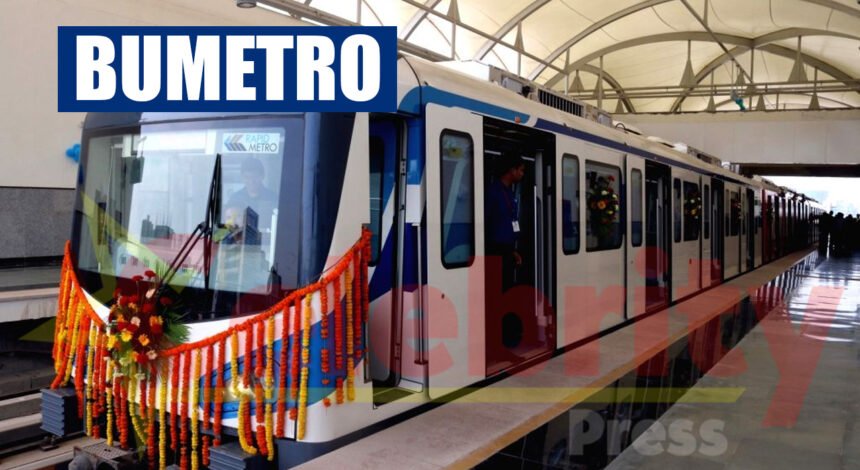
Bumetro is a name circulating across a handful of general content sites describing it as a “smart transportation platform” or “digital mobility ecosystem,” but a close reading of that same content reveals it isn’t describing an actual, operating product at all. This guide explains what’s being claimed, why the language itself gives away that no real platform currently exists, and what genuine mobility-as-a-service options actually look like for comparison.
What’s Claimed
Articles using the Bumetro name generally describe it as a platform combining buses, trains, bikes, and ride-sharing into a single digital interface, a concept broadly known in the transportation industry as Mobility as a Service, or MaaS. This is a real, established category of technology that genuine companies and transit agencies around the world have built, but the specific name Bumetro doesn’t correspond to any verifiable, operating example of it.
No Verifiable Details
Content describing Bumetro consistently lacks the basic details any real, operating transportation platform would have: no specific city or region where it operates, no company name, headquarters, or funding history, no app store listing or download link, no named transit partners, no pricing, and no screenshots of an actual working interface. For a platform claimed to unify transportation across multiple modes, this is a striking, near total absence of the concrete information a genuine service would necessarily have.
Speculative Language
Perhaps the clearest signal that Bumetro doesn’t currently exist as a real product comes from the language used to describe it. Articles about it repeatedly use conditional, forward looking phrasing, describing what the platform “could become,” “may include,” or “has the potential to” offer, rather than describing confirmed, present tense functionality. This is the language of speculation about a concept, not reporting on an existing service, and it’s a useful tell to watch for when evaluating any unfamiliar tech or product name.
Bibliometro Confusion
Search results for Bumetro occasionally surface an unrelated, genuinely real program called Bibliometro, a library lending service operating inside metro and transit stations in several Latin American cities, most notably in Chile. Bibliometro is a real, well documented public library initiative, but it has no connection to the mobility platform concept described under the Bumetro name, and the similarity appears to be coincidental rather than a case of one term evolving from the other.
Real MaaS Apps
For useful contrast, genuine Mobility as a Service platforms do exist and are independently verifiable through app store listings, named operating cities, and transit agency partnerships publicly documented by the agencies themselves. These platforms typically launch first in one or a small handful of specific cities, expanding gradually as they build formal partnerships with local transit operators, a slow, verifiable process very different from the vague, all-encompassing description attached to Bumetro.
Why It Spreads
Terms like Bumetro tend to spread through general content sites because “smart mobility” and similar technology-adjacent phrases attract meaningful search interest, and describing a plausible sounding, forward looking concept requires no verification of an actual product, making it low effort content to produce at scale. This is the same underlying pattern seen across other invented product and platform names covered elsewhere in this series, applied here to the transportation technology space specifically.
How To Verify
Before treating any described mobility app or platform as real, check whether it appears on official app store listings under a verifiable developer name, whether any named transit agency has publicly confirmed a partnership, and whether independent technology or transportation industry press has reported on its launch. The complete absence of all three for Bumetro is a strong signal that no such platform currently exists in operating form.
Why MaaS Sounds Plausible
Mobility as a Service is a genuinely active area of transportation technology investment worldwide, with real transit agencies, city governments, and private companies actively building and piloting integrated multi-modal apps. This genuine, ongoing trend is exactly why an invented name like Bumetro sounds plausible on first read, since it borrows credibility from a real, active category of innovation rather than describing something entirely disconnected from any genuine technology trend, similar to how other invented terms in this series borrow credibility from real underlying fields like recycling technology or telemedicine.
The Content Behind It
Looking at who publishes Bumetro content is also revealing. The articles found describing it appear across general content sites with broad, unrelated topic coverage rather than dedicated transportation industry publications, technology trade press, or urban planning outlets, the kinds of sources that would typically be first to report on a genuinely new mobility platform given the transportation industry’s active, engaged trade press coverage of exactly this kind of innovation.
What Real Launches Look Like
When a genuine new mobility platform launches, it typically generates coverage that includes specific transit agency names confirming a formal partnership, a specific city or region named as a launch market, and often direct commentary from named company executives or agency officials describing the rollout, none of which appears anywhere in the content describing Bumetro. This absence of the standard reporting markers that accompany a genuine transportation technology launch is a further, independent signal reinforcing the conclusion that no real platform currently operates under this name.
If You’re Looking for One
If your actual goal is finding a genuine multi-modal transportation app for a specific city, searching for that city’s name alongside “mobility app” or checking your local transit agency’s own official website for any app recommendations they publish directly will get you to a verifiable, real option far more reliably than searching for an unfamiliar, unverified brand name like Bumetro.
The Name Itself
“Bumetro” combines “bu,” which could evoke “bus” or simply function as an appealing sounding prefix, with “metro,” a widely recognized term for urban rail transit. This kind of blended, evocative naming approach, combining two transportation-adjacent syllables into a plausible sounding but ultimately unregistered brand name, follows the same general pattern seen across other invented product names in this series, designed to sound immediately familiar and technologically credible without requiring any actual, checkable substance behind it.
What a Trademark Search Shows
Checking official trademark registration databases in major markets is another concrete, independent verification step available to anyone researching an unfamiliar brand name like Bumetro. A genuine, funded startup planning to launch a named consumer product typically files for trademark protection on that name at some point before or shortly after a public launch, so the absence of a findable, relevant trademark registration adds one further, independent data point consistent with the conclusion that no real, operating company currently uses this name for a transportation platform.
Social Media Silence
Genuine technology startups, even very early stage ones, typically maintain at least some active presence on professional or social platforms, with named founders, funding announcements, or hiring posts appearing on platforms like LinkedIn well before a public product launch. A search for verified, active social accounts specifically representing a Bumetro company, run by named individuals and showing genuine engagement rather than automated or dormant activity, is a further useful check that, based on available information, doesn’t surface a confirmed, active organization behind the name.
What Genuine Innovation Coverage Looks Like
Contrast this with how a genuine, newly funded transportation startup typically gets covered: specific reporting from established technology or transportation trade publications naming the company’s founders, funding round size and investors, target launch city, and often direct quotes from company leadership describing their specific technical approach. The complete absence of this kind of specific, attributable reporting anywhere in connection with Bumetro is itself meaningful evidence, not merely an absence of information.
A Useful Mental Model
A useful general mental model going forward: treat any unfamiliar product or platform name as a hypothesis to verify rather than a fact to accept, and require at least two or three of the independent verification signals discussed throughout this guide, an app store listing, a confirmed partnership, trade press coverage, a trademark record, or an active, named company presence, before treating a described product as genuinely real and operating.
When Concepts Become Real
It’s worth acknowledging that today’s purely speculative concept can sometimes become tomorrow’s real, funded product, so encountering an article describing Bumetro doesn’t mean the underlying idea itself is a bad one, only that no verifiable evidence currently confirms a real, operating platform by this name exists yet. If a genuine company does eventually launch a mobility platform under a similar name, it would be reasonable to expect a fresh round of coverage carrying the specific, attributable details discussed above.
Cross-Checking Non-English Sources
Because transportation platform names sometimes originate outside English-speaking markets before appearing in English-language content, it’s also worth checking whether Bumetro corresponds to a genuine, differently-branded platform in another country or language, using a direct translated search of the name alongside terms like the local language word for “transit app.” Based on available research, this check doesn’t surface a genuine underlying international platform either, reinforcing the conclusion reached above.
Watching for Rebrands
It’s also worth noting that content farms sometimes recycle a once-used invented name for an entirely different concept later on, so if you encounter future content describing “Bumetro” in a completely different context, such as an unrelated app category, treat that as a fresh claim requiring its own independent verification rather than assuming continuity with the transportation platform concept addressed here.
A Closing Comparison
Placing Bumetro alongside the other invented product and platform names documented throughout this series, from recycling technology to sports media apps, reinforces the same underlying lesson applied here to the transportation sector specifically: a confident, technically plausible sounding name and a well written description are, on their own, worth nothing without independently checkable evidence standing behind them.
If You Work in Transit
For readers who actually work in urban planning, transit agencies, or transportation technology and are specifically researching Bumetro as a potential competitor or partner technology, the same verification steps outlined above, checking trade press, trademark records, and named company presence, apply just as directly to professional due diligence as they do to casual reader curiosity, and the same absence of confirming evidence should inform any professional assessment as well.
Summary of Red Flags
Pulling the signals discussed throughout this guide together: consistently conditional, speculative language rather than confirmed present-tense functionality; no named company, city, or transit partner; no app store listing; no trademark record; no active, verifiable social presence; and no coverage from established transportation trade press. Any one of these gaps alone might be explained away, but the combination of all of them is what makes the case against Bumetro’s current existence as an operating platform so consistent and strong.
Conclusion
Bumetro describes a plausible sounding but currently unverified transportation technology concept, not a real, operating platform. Content using the name consistently relies on speculative, conditional language and provides none of the concrete, checkable details a genuine mobility service would have, distinguishing it clearly from real Mobility as a Service platforms that are independently verifiable through app stores and confirmed transit partnerships.
FAQ
1. Is Bumetro a real transportation app?
No verifiable evidence supports this. Content describing it uses speculative language and provides no app store listing, named operator, or confirmed transit partnership.
2. Is Bumetro related to Bibliometro?
No. Bibliometro is a real, separate library lending program operating in metro stations in Chile and other countries, unrelated to the mobility platform concept described under the Bumetro name.
3. What is Mobility as a Service?
A real, established category of technology combining multiple transportation modes, like buses, trains, and bike share, into one platform. Genuine examples exist and are verifiable, unlike the Bumetro concept.
4. Why does content about Bumetro sound so vague?
It consistently uses conditional, speculative phrasing rather than describing confirmed, present tense functionality, which is a strong sign it describes an idea rather than an existing product.
5. How can I check if a described app or platform is real?
Look for an app store listing under a named developer, confirmed partnerships from named transit agencies, and coverage from established technology or transportation industry press.