

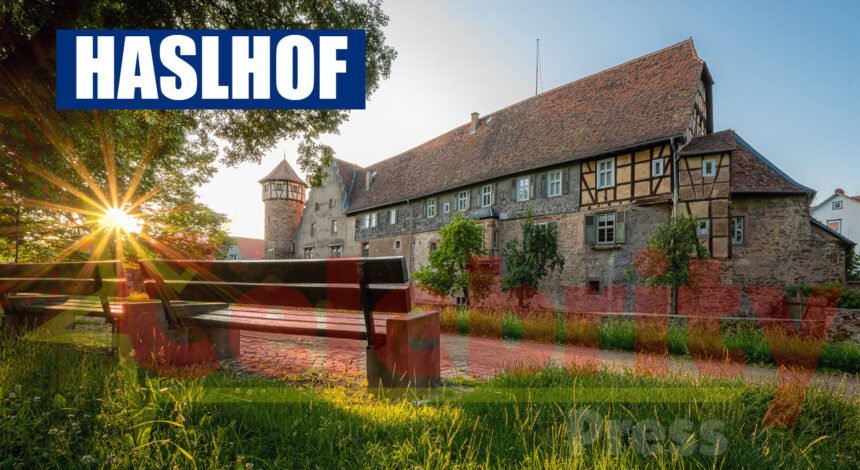
Haslhof is not a single, specific destination, and it isn’t an invented brand name either. It’s a common German-language place name, roughly meaning “hazel farm,” that genuinely applies to more than one real, independently operating business in different countries. This guide clarifies what’s actually confirmed about the two most prominent real places currently using this name, and why some general travel content about “Haslhof” reads as vaguer and less specific than it should.
Why One Name Points to Multiple Real Places
“Haslhof” combines “Hasl,” related to hazel trees, with “hof,” a common German word for a farm, estate, or courtyard property. Because this combination describes a fairly ordinary, descriptive rural property name rather than a unique, trademarked brand, it’s genuinely unsurprising that multiple unrelated farms, guesthouses, and rural properties across German-speaking regions, and areas with historical German-speaking populations such as South Tyrol in northern Italy, independently use the same or a very similar name.
This is meaningfully different from the invented, single-origin brand names covered in other guides in this series. There isn’t one “real” Haslhof that other content is falsely describing; rather, there are multiple genuinely real Haslhofs, and the confusion comes from general content sites describing them vaguely, together, or without clear enough distinction, rather than from the name itself being fabricated.
The First Confirmed Real Haslhof: A Mountain Guesthouse in South Tyrol, Italy
One well documented, currently operating Haslhof is Gasthaus Haslhof, a family run mountain restaurant and guesthouse located at Nördersberg 25, above the village of Schlanders in South Tyrol’s Vinschgau valley, northern Italy. The property offers homemade South Tyrolean cuisine, including charcuterie boards, traditional dumplings, and house-baked desserts, and positions itself as a countryside retreat experience with panoramic valley views from its sun terrace.
This location is independently confirmed through multiple sources beyond its own website: it appears in the regional South Tyrol tourism information system with a dedicated listing, hosts a public Facebook page with photos and updates, and has been reviewed on Tripadvisor. It operates seasonally, from mid-May through mid-October, and provides a direct phone number, an email address, and a formal reservation system, all details consistent with a genuine, currently operating small hospitality business rather than a vague or unverifiable claim.
The Second Confirmed Real Haslhof: A Horse Sanctuary and Personal Development Farm in Bavaria, Germany
A separate, entirely unrelated Haslhof operates near Vilsbiburg, Germany, specifically at an address in Wurmsham, Bavaria. This property describes itself as a farm and personal development center focused on work with horses, offering a dignified retirement sanctuary for older horses alongside educational workshops on resilience and self-leadership, as well as individual coaching sessions, primarily for women, centered on self-leadership and personal clarity. The operation is run by a named individual, Bettina Hottner, and combines this coaching and equine sanctuary work with traditional small-scale farming practices.
This Bavarian Haslhof is also independently confirmed as a real, active business: its own website shows current contact details, an active blog with recent posts, a functioning inquiry and booking system, and an Instagram presence, with site activity consistent with ongoing maintenance in the current year. This is a completely different type of operation from the South Tyrol guesthouse, serving a different purpose, in a different country, run by different, unrelated people, connected only by the shared, common place name.
Why Some General Content About Haslhof Reads as Vague
Having established that both of these Haslhof locations are genuinely real, it’s worth explaining why some general travel articles covering the name still come across as generic or under-sourced. At least one broadly published travel guide explicitly acknowledges that “Haslhof can confuse travelers because it points to more than one rural place,” correctly identifying both the South Tyrol and Bavaria locations in general terms. However, that same content provides a clear, sourced citation and direct link only for the South Tyrol location, while describing the Bavarian property in much vaguer terms, without naming the specific operator, its focus on horse sanctuary work and personal coaching, or linking to its actual, easily findable official website.
This pattern, correctly recognizing that multiple real places share a name while still failing to research and cite each one with the same level of specificity, is a milder version of the content-farm pattern covered elsewhere in this series: it isn’t inventing a fictional place, but it is publishing under-researched, vague content that could be made meaningfully more accurate and useful with a small amount of additional direct verification.
Comparing the Two Confirmed Haslhof Locations
| Detail | Haslhof, South Tyrol, Italy | Haslhof, Bavaria, Germany |
|---|---|---|
| Type of business | Mountain restaurant and guesthouse | Horse sanctuary and personal development farm |
| Location | Above Schlanders, Vinschgau valley | Wurmsham, near Vilsbiburg |
| Core offering | South Tyrolean cuisine, countryside retreat stays | Horse retirement care, coaching, educational workshops |
| Operator | Family run hospitality business | Bettina Hottner |
| Operating pattern | Seasonal, mid-May to mid-October | Year round, based on current site activity |
| Independent confirmation | Regional tourism listing, Facebook, Tripadvisor reviews | Own site with recent updates, Instagram, direct booking system |
This side by side comparison makes clear that these are two genuinely distinct, unrelated, real businesses, not two descriptions of the same place or a real place alongside an invented one.
What This Means If You’re Researching a Trip or Visit
If your interest in Haslhof relates specifically to a South Tyrol mountain dining or countryside stay experience, the confirmed details above for the Schlanders location, including its seasonal hours and reservation system, should guide your planning directly through its own official channels. If your interest instead relates to equine sanctuary work, coaching, or a Bavarian farm stay experience, the Vilsbiburg area location’s own website and social media are the appropriate, verified source to check.
If you encountered a vague article describing “Haslhof” as a single, generalized rural travel concept without clearly specifying which of these two real, distinct places it means, or without providing a working link to the correct one, treat that content as a starting point at best, and go directly to the specific, named operator’s own official site or verified social media before making any travel plans or assumptions.
The Broader Lesson About Common Place Names
Haslhof’s situation illustrates a research challenge distinct from either the purely invented brand names or the single real subjects covered elsewhere in this series: a genuinely common, descriptive name that happens to apply to more than one real, unrelated thing. This kind of ambiguity is actually quite common with place names built from ordinary, descriptive words in any language, and it’s worth remembering that finding multiple real, different results for a common name doesn’t mean any of them are fake, it just means additional specificity, such as a full address, region, or the operator’s name, is needed to know which one a given piece of content is actually describing.
Applying this same lesson to any other name that turns up multiple, differently described real results, rather than assuming either that all the results describe one place or that the name must be a content-farm invention, is a generally useful research habit.
Simple Tips for Researching a Common or Generic Sounding Place Name
- Recognize that a name built from ordinary, descriptive words in any language is more likely to genuinely apply to multiple unrelated real places than an unusual, invented sounding brand name is.
- Look for a full address, region, or named operator to distinguish between multiple real results sharing the same name, rather than assuming they describe one single place.
- Check each specific location independently through its own official website or verified social media rather than relying on a single article that may describe more than one place vaguely.
- Be aware that an article correctly acknowledging multiple locations can still under-research one of them, so verify each one with the same level of scrutiny.
- When planning an actual visit, always confirm current details directly with the specific, correctly identified business rather than a general content article about the shared name.
Why South Tyrol Specifically Has So Many Similarly Named Farms and Inns
It’s worth understanding why South Tyrol, the specific region hosting one of the two confirmed Haslhof locations, produces so many rural properties with descriptive, farm-based German names in the first place. South Tyrol, an autonomous province in northern Italy with a majority German-speaking population and a long history as part of the Austro-Hungarian Empire before becoming part of Italy after the First World War, has a centuries-old tradition of naming individual farmsteads descriptively, often based on a distinguishing natural feature, the farm’s founding family, or its position within the local landscape.
This naming tradition means that names like Haslhof, or similarly structured names built from a natural feature plus “hof,” are genuinely common throughout the region and across other German-speaking farming areas more broadly, rather than being unique identifiers the way a modern registered trademark or brand name would be. Travelers researching farm stays, mountain huts, or small guesthouses throughout South Tyrol and similar Alpine regions should expect to encounter this kind of naming overlap regularly, and should always confirm the specific address and operator before booking rather than relying on the name alone.
How This Case Differs From an Invented Content-Farm Brand
It’s worth explicitly contrasting Haslhof’s situation with the invented, single-origin brand names covered elsewhere in this series, since the underlying research challenge, encountering unclear or inconsistent information online, looks superficially similar but stems from an entirely different cause. With an invented brand name, the core problem is that no genuine, verifiable business exists behind the confident sounding branding at all. With Haslhof, the core problem is closer to the opposite: multiple genuine, independently verifiable businesses exist, and the vagueness comes from under-researched content failing to distinguish between them clearly, not from an absence of real substance.
This distinction matters practically, since the appropriate response differs in each case. For an invented brand name, the right response is treating any specific claims with heavy skepticism, since no real product may exist at all. For a common but genuine place name like Haslhof, the right response is simply gathering enough specific detail, such as a full address or named operator, to correctly identify which real place is actually being discussed.
Conclusion
Haslhof is a common German-language place name that genuinely applies to at least two real, independently confirmed, but entirely unrelated businesses: a seasonal mountain restaurant and guesthouse above Schlanders in South Tyrol, Italy, and a horse sanctuary and personal development farm near Vilsbiburg in Bavaria, Germany. Some general travel content about the name reads as vague not because either place is fabricated, but because that content under-researches and under-cites the details of each specific location. Anyone interested in visiting either should go directly to that specific business’s own verified website or social media rather than relying on generalized descriptions of “Haslhof” as though it were one single destination.
Frequently Asked Questions
1. Is Haslhof a real place?
Yes, but the name applies to more than one real place. At least two confirmed, unrelated businesses, one in South Tyrol, Italy, and one in Bavaria, Germany, currently operate under this name.
2. Are the two Haslhof locations related to each other?
No. They are independently operated, unrelated businesses in different countries that happen to share a common, descriptive German-language name.
3. What does the name “Haslhof” actually mean?
It roughly translates to “hazel farm,” combining a word related to hazel trees with a common German term for a farm or estate property, which explains why it’s used by more than one unrelated rural property.
4. Why do some articles about Haslhof seem vague or incomplete?
Some general travel content correctly notes that multiple real places share the name but doesn’t research or cite each location with equal specificity, leaving the description of at least one location vague compared to the other.
5. How can I find the right Haslhof for my trip?
Identify the specific country and type of experience you’re interested in, whether South Tyrolean mountain dining or a Bavarian horse sanctuary and coaching farm, and go directly to that specific business’s own official website or verified social media for accurate, current details.