

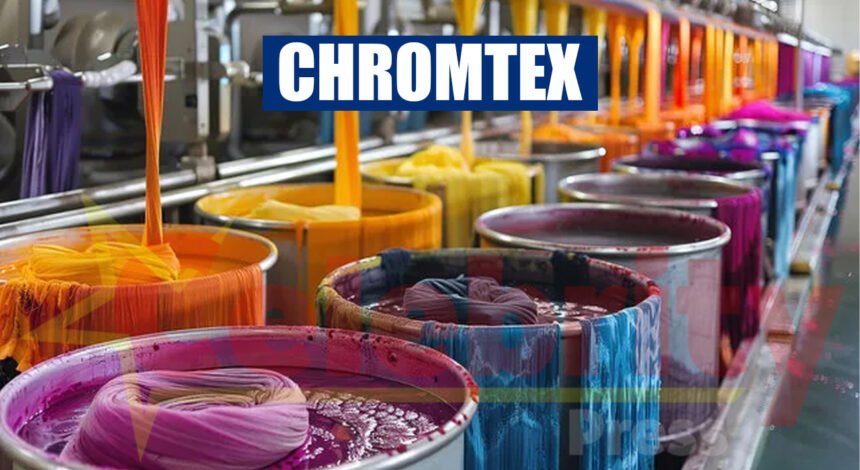
Chromtex is a term that appears across several general content sites, often described in broad, upbeat marketing language without much concrete, checkable detail. Rather than pointing to one specific, verifiable company, the word most likely reflects chrome based textile processing, a genuine and well documented set of techniques used in dyeing, treating, and finishing fabrics. This guide explains what that real process involves and why the term causes some confusion online.
What Chrome Based Textile Processing Actually Involves
In textile manufacturing, chrome compounds have historically been used in several stages of fabric treatment, most notably in dyeing and mordanting. A mordant is a substance used to help dye bond more firmly to fabric fibers, improving color strength and washfastness, meaning how well a color holds up after repeated washing.
Chrome mordanting, sometimes called chroming, was widely used in wool dyeing for many decades because it produced strong, long lasting colors, particularly with certain natural dyes. This process typically involves treating fibers with a chromium compound before or during the dyeing stage, allowing the dye molecules to bind more effectively to the fabric.
Why the Term Chromtex Likely Combines Two Familiar Ideas
The word chromtex appears to combine “chrom,” referencing chromium or chrome based processing, with “tex,” a common shorthand for textiles used across many real industry names and terms. This kind of combined, descriptive naming pattern is common in manufacturing and industrial sectors, where companies and processes are often named by combining a key material or method with the word textile or a shortened version of it.
Because this naming pattern is so common, it can be difficult to determine whether “Chromtex” refers to one specific company, a general industry process, or simply a descriptive term used informally across different contexts, without a single, clearly documented, verifiable source confirming one specific company by that exact name.
The Decline of Traditional Chrome Dyeing
While chrome based dyeing was historically valued for its strong, durable results, its use has declined significantly in recent decades due to environmental and health concerns. Hexavalent chromium, a specific form of chromium compound sometimes involved in older dyeing processes, is recognized as a hazardous substance linked to serious health and environmental risks when not properly managed.
As a result, many textile manufacturers and regulatory bodies around the world have shifted away from chrome based dyeing methods in favor of safer, more environmentally responsible alternatives, particularly as global awareness of sustainable manufacturing practices has grown.
Modern Alternatives to Chrome Based Textile Treatments
Today’s textile industry increasingly relies on alternative dyeing and mordanting methods that avoid the environmental and health concerns associated with older chrome based techniques. These include natural mordants such as alum, which is generally considered safer and has long been used in traditional and modern natural dyeing alike, along with various synthetic dye systems designed specifically to bond well with fabric without requiring heavy metal based mordants.
Many manufacturers today also emphasize certifications and testing standards that confirm a textile product meets recognized safety and environmental guidelines, reflecting the broader industry shift away from older, more hazardous chemical processes.
Why Some Articles Describe Chromtex So Differently
If you search for the term, you will likely find articles describing it as a specific company offering “premium textile solutions,” a pioneer in “sustainable textile chemical solutions,” or a general concept representing textile innovation, often without any concrete, verifiable details such as a founding date, headquarters location, or confirmed leadership.
This pattern, vague, broadly positive descriptions without specific, checkable facts, is common when general content sites build articles around a term without confirming whether it refers to an actual, identifiable company or simply a descriptive industry phrase. Readers looking for information about a specific, real business should look for concrete details, such as an official company website, business registration information, or verifiable news coverage, rather than relying on general, vague descriptions alone.
How Chrome Based Concepts Still Appear in Modern Textiles
Even as traditional chrome dyeing has declined, references to chrome or chromium sometimes still appear in modern textile contexts, particularly around color science and quality testing. For example, colorimetry, the science of precisely measuring and communicating color, sometimes involves technical color standards and instruments that include “chroma” as a measurement of color intensity, a related but distinct concept from chrome based dyeing chemicals.
This overlap in terminology, chrome, chromium, and chroma all sharing a similar root related to color, can also contribute to confusion when a term like chromtex appears without clear context.
Comparing Chrome Based and Modern Textile Treatment Methods
| Method | Common Use | Key Consideration |
|---|---|---|
| Chrome mordanting | Historic wool dyeing for strong color | Raises environmental and health concerns |
| Alum mordanting | Natural and modern dyeing | Generally considered a safer alternative |
| Synthetic dye systems | Wide modern textile use | Designed to bond without heavy metal mordants |
| Chromtex as commonly described online | Vague, general textile innovation claims | Lacks clear, verifiable company details |
This comparison highlights the difference between chrome based processing as a real, documented historical technique and “Chromtex” as it commonly appears in vague online content.
Simple Tips for Researching Textile Industry Terms
- Look for specific, checkable details, such as a company’s official website, founding date, or headquarters, before accepting a business related term as referring to a real, established company.
- Be cautious of industry sounding terms described only in broad, positive marketing language without concrete facts.
- Cross reference textile chemistry claims against established industry or scientific sources when accuracy matters.
- Consider that a combined term like chromtex may describe a general concept or process rather than one specific business.
- Check for recognized industry certifications when researching claims about sustainable or safe textile treatment methods.
Why Understanding the Real Background Matters
Textile manufacturing involves genuine, well documented chemistry and history, including both older, more hazardous techniques and newer, safer alternatives developed as the industry has evolved. Understanding this real background provides a much clearer picture than the vague, unverifiable claims found in many general articles using the term chromtex.
What a Genuine Textile Innovation Company Typically Publishes
A real, established textile technology or chemical company typically maintains a detailed, specific online presence, including named leadership, a clear company history, documented product lines, and often technical data sheets available for potential business customers. Genuine industry players are also commonly listed in trade association directories, referenced in industry trade publications, and discoverable through standard business databases used for supplier verification.
The absence of these kinds of specific, checkable details across the various general articles describing chromtex is a meaningful signal that the term may be functioning more as a descriptive industry phrase than as the name of one specific, verifiable company.
The History of Chrome Compounds in Manufacturing
Chromium compounds have a long history of industrial use beyond textiles, including in metal plating, leather tanning, and pigment production. In leather processing specifically, chrome tanning became widely adopted during the twentieth century because it produced softer, more flexible leather more quickly than older, traditional vegetable tanning methods using plant based tannins.
This broader industrial familiarity with chromium compounds likely contributed to their historical adoption in textile dyeing as well, since manufacturers already had established supply chains and technical knowledge related to working with these chemicals across related industries.
How Regulation Has Shaped Modern Textile Chemistry
Government agencies and international bodies have introduced increasingly strict regulations around hazardous chemical use in manufacturing over the past several decades, directly affecting how chrome based processes are used, if at all, in modern textile production. Regulatory frameworks in the European Union, for instance, have placed significant restrictions on certain chromium compounds due to their classification as hazardous substances.
These regulatory changes have pushed manufacturers worldwide to invest in safer alternative chemistries, both to comply with legal requirements in major markets and to meet growing consumer and retailer demand for more environmentally responsible manufacturing practices.
What Sustainable Textile Certifications Typically Look For
Modern sustainability certifications in the textile industry generally evaluate a range of factors, including the chemicals used during dyeing and finishing, water usage and treatment, and overall environmental impact throughout the manufacturing process. Certifications such as those focused on restricted substance lists specifically screen for compounds like hexavalent chromium, helping buyers and consumers identify textiles produced without these more hazardous chemical processes.
Companies genuinely focused on sustainable textile manufacturing typically highlight specific, verifiable certifications and testing results, rather than relying only on broad marketing language, which is a useful distinction when evaluating any company’s sustainability claims.
How to Distinguish Genuine Industry Innovation From Vague Marketing
When researching any textile or manufacturing related company, genuine innovation is usually supported by specific, verifiable details, such as documented patents, named research partnerships, third party certifications, or coverage in established industry trade publications. Vague claims about being a leader in innovation or sustainability, without any of these specific, checkable details, are a common pattern in low quality or unverified online content rather than genuine industry reporting.
This distinction applies broadly across many industries, not just textiles, and serves as a useful general framework whenever evaluating unfamiliar company or product claims found online.
Why Descriptive Industry Names Can Be Genuinely Useful
Despite the confusion around this specific term, descriptive naming combining a material or process with a shortened form of an industry word serves a genuinely useful purpose across manufacturing sectors. Such names can quickly communicate a company’s or process’s general focus area to someone familiar with the underlying terminology, even without a lengthy explanation.
This naming convention becomes a problem only when it is used to imply a specific, established business or credential that does not actually exist, rather than simply describing a general category of industrial process or material combination in an informal, shorthand way.
What to Do If You Are Sourcing Textile Materials Professionally
If your interest in chromtex comes from an actual business need, such as sourcing textile materials or dyeing services, the most reliable path forward involves working directly with established, verifiable suppliers who can provide documentation on their specific dyeing and finishing processes, along with any relevant safety and sustainability certifications.
Requesting material safety data sheets, third party certification documents, and references from other business clients are all standard, reasonable steps when evaluating any textile supplier, regardless of what specific marketing terms they may use to describe their processes or how polished their website may appear at first glance.
Conclusion
Chromtex most likely reflects the combination of “chrome” and “textile,” pointing toward chrome based textile processing, a real but increasingly outdated dyeing and mordanting technique with genuine historical use and documented environmental concerns. Without clear, verifiable evidence of one specific company by this exact name, readers are better served by understanding the real chemistry and history behind chrome based textile treatment than by trusting vague, unconfirmed claims found across general content sites.
Frequently Asked Questions
1. Is Chromtex a specific, verified company?
Based on available information, there is no clear, verifiable evidence confirming one specific, established company by this exact name.
2. What does chrome based textile processing actually involve?
It typically involves using chromium compounds as a mordant to help dye bond more strongly to fabric fibers, historically common in wool dyeing.
3. Is chrome based dyeing still widely used today?
No. Its use has declined significantly due to environmental and health concerns linked to certain chromium compounds, in favor of safer modern alternatives.
4. What are common alternatives to chrome based dyeing today?
Alum based mordanting and various synthetic dye systems are commonly used today as safer alternatives to older chrome based methods.
5. Why do online articles describe Chromtex so differently?
Many appear to use broad, positive marketing language without confirming specific, checkable facts, suggesting the term may not refer to one clearly established company.