

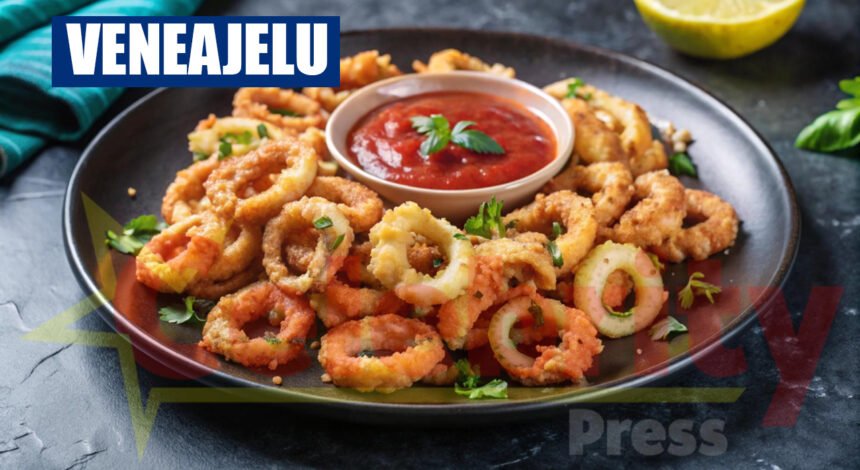
Calamariere is a squid dish rooted in Mediterranean cooking, prized for its tender bite, light crunch, and simple seasoning that lets fresh seafood shine. The name comes from the Italian word calamaro, meaning squid, and it covers a range of preparations rather than one fixed recipe. Home cooks and chefs alike use the term to describe squid that is fried, grilled, or braised with care, and it has become a familiar sight on menus in coastal towns and city restaurants alike. This guide breaks down what calamariere actually means, where it comes from, and how you can recognize or recreate it in your own kitchen.
What Does Calamariere Mean?
At its core, calamariere refers to squid prepared with intention rather than squid tossed carelessly into a fryer. It emphasizes fresh ingredients, careful timing, and a light hand with seasoning so the natural sweetness of the squid comes through. Unlike the more familiar term “calamari,” which most diners associate with battered rings and marinara sauce, calamariere is broader. It can include grilled squid, stuffed tubes, or squid slowly simmered in a tomato and wine sauce.
The word also carries a cultural weight beyond the plate. In many coastal communities, sharing a plate of squid is part of family gatherings and casual meals by the water, tying the dish to a lifestyle built around fishing and fresh catch.
Where Does the Word Come From?
The root of calamariere traces back to calamaro, the Italian word for squid. Italian words often add a suffix like “-iere” to describe a style, role, or trade connected to the main word, similar to how “cameriere” refers to a waiter. Applied here, the suffix gives the term a slightly more polished, descriptive feel than the plain word “calamari.”
Because the term is used loosely across food blogs and restaurant menus, it does not point to one specific historical recipe. Instead, it works more like an umbrella phrase for squid dishes made with skill and respect for the ingredient, whether that means a quick fry in southern Italy or a grilled version served with lemon in Greece.
Key Ingredients in Calamariere
Fresh squid sits at the center of every version of this dish. Cooks look for squid that feels firm, looks slightly shiny, and smells clean like the ocean rather than fishy. The squid is typically cleaned, with the head, ink sac, and inner membrane removed, then sliced into rings or left whole for stuffing.
Beyond the squid itself, a short list of ingredients does most of the work. Olive oil forms the cooking base, garlic and fresh herbs like parsley or oregano add aroma, and a squeeze of lemon juice brightens every bite. Light seasoning such as black pepper or a pinch of chili keeps the flavor balanced without overpowering the squid’s natural taste.
Popular Cooking Methods
Calamariere is not tied to a single cooking technique, which is part of why it appears in so many forms. Frying remains the most common method, where squid rings get a light coating of flour or batter and cook for just a minute or two until golden and crisp. Grilling is another favorite, especially in warmer months, since high heat locks in a smoky flavor while keeping the squid tender.
For a heartier version, cooks braise squid slowly in a sauce made from tomatoes, white wine, or herbs. This method suits larger tubes or tougher pieces, transforming them into a soft, almost melt-in-the-mouth texture. Regardless of the method, timing matters most. Squid cooked too long turns rubbery, so most recipes call for either a very quick sear or a long, gentle simmer, with little room in between.
Health Benefits of Squid
Squid brings real nutritional value to the table alongside its flavor. It offers a solid source of protein, which supports muscle repair and keeps meals satisfying without excess calories. It also contains omega-3 fatty acids, known for supporting heart health, along with vitamin B12 and B6, which help maintain nerve function and energy levels.
These nutrients make calamariere a reasonable choice for anyone looking to enjoy seafood without straying too far from a balanced diet, especially when the dish is grilled or lightly fried rather than heavily battered.
Regional Variations Around the World
While calamariere has strong ties to Italy, similar squid dishes appear across the Mediterranean and beyond. In Spain, squid often shows up grilled or in rice dishes like paella. Greek kitchens tend to favor a simple grilled preparation finished with olive oil and lemon. Meanwhile, Asian versions of squid cooking, such as tempura-style frying or spicy squid salads, show how the same core ingredient adapts to different spice profiles and cooking traditions.
This flexibility explains why calamariere resonates with so many food lovers. It respects a shared technique of treating squid with care while leaving room for regional flavors to take over.
Final Thoughts
Calamariere is less a single recipe and more a way of cooking squid that values freshness, timing, and simple seasoning over shortcuts. Whether fried, grilled, or braised, the dish reflects a coastal food tradition that turns a humble ingredient into a memorable plate. Anyone curious about Mediterranean seafood will find calamariere a satisfying place to start.
Frequently Asked Questions
Is calamariere the same as calamari?
Not exactly. Calamari usually means battered, deep-fried squid rings, while calamariere is a broader term for squid dishes cooked with care, including grilled or braised versions.
What part of the squid is used in calamariere?
Most recipes use the cleaned body, sliced into rings, along with the tentacles. Some versions keep the tube whole for stuffing.
How long should squid cook to avoid a rubbery texture?
Squid should either cook very fast, around one to two minutes over high heat, or braise slowly for an extended time. Anything in between often turns it tough.
Is calamariere healthy to eat?
Yes, squid is high in protein and contains omega-3 fatty acids along with vitamins B12 and B6, making it a nutritious seafood option, especially when grilled instead of fried.
Can calamariere be made at home?
Yes. With fresh squid, olive oil, garlic, herbs, and lemon, home cooks can fry, grill, or braise squid using the same simple techniques found in coastal kitchens.