

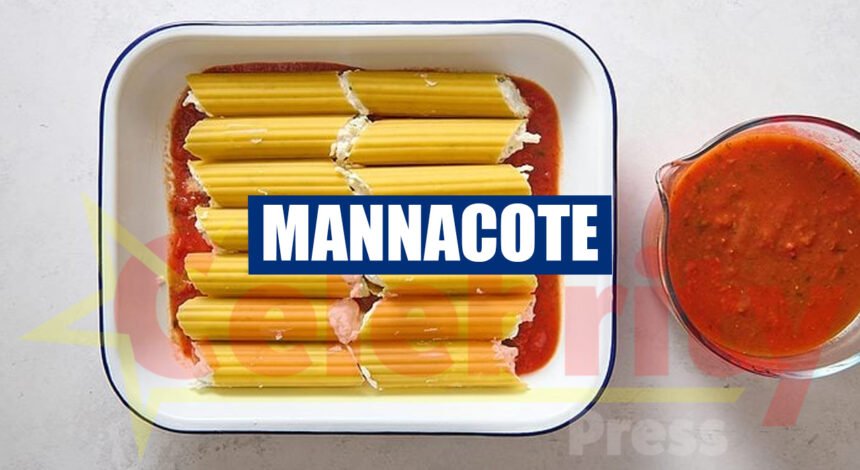
“Mannacote” is not an established name in Italian or Italian-American culinary tradition. It appears to be a phonetic variation or misspelling of “manicotti,” a real, well-known stuffed pasta dish, that has since taken on a life of its own as a distinct search term, spawning a large cluster of recipe explainer content across at least ten separate domains.
What Manicotti Actually Is
Manicotti is a genuine, well-documented Italian-American pasta dish consisting of large tube-shaped pasta shells stuffed with a ricotta cheese filling, often combined with mozzarella and seasonings, then baked in tomato sauce. It’s a staple of Italian-American home cooking and restaurant menus, with a long, traceable culinary history distinct from any recent internet search trend.
How “Mannacote” Likely Emerged
The specific spelling “mannacote” doesn’t correspond to any standard Italian word or regional dialect term for this dish; it most plausibly arose from a simple mishearing or phonetic guess at “manicotti,” possibly from a video, social media post, or spoken recommendation where the correct spelling wasn’t visible, then got reinforced and spread once search interest in that specific misspelling became large enough for content creators to notice and target it directly.
The Scale of the Content Cluster
Recipe explainer articles using the exact spelling “mannacote” were found across mannacote.com, mannacote.net, mannacote.co.uk, castmagazine.co.uk, todaysmagazine.co.uk, tuffermagazine.co.uk, zynotimes.com, eattreatsrecipes.com, toopermagazine.com, and shivalordimage.com, a notably large cluster for what appears to be, at its core, a simple spelling variation of an existing, well-known dish.
Why This Differs From the Series’ Invented-Term Cases
Unlike Acamento, Bilieter, or Keibann covered elsewhere in this series, “mannacote” isn’t built around a coined term with no underlying reality; there’s a real, delicious, well-established dish, manicotti, sitting behind it. The pattern here is less about fabrication and more about a large content ecosystem opportunistically targeting a popular misspelling to capture search traffic that might otherwise go to sites using the correct spelling.
Is This Harmful?
Recipe content built around a common misspelling is among the lowest-stakes cases covered in this series: even if a specific “mannacote” recipe differs slightly from a traditional manicotti preparation, the consequences of following an imperfect recipe are mild compared to the financial, health, or security risks associated with other keywords covered throughout this series.
What the Recipes Actually Describe
Based on the titles and framing found across the cluster, “Stuffed Pasta Delight,” “Baked Manicotti Recipe,” and “Classic Italian-American Stuffed Pasta,” the content consistently describes something recognizably similar to standard manicotti: pasta tubes, a ricotta-based filling, and baking in sauce, suggesting the underlying recipes are reasonably faithful to the actual dish despite the unusual spelling used to describe it.
Checking Recipe Accuracy Directly
As with any recipe sourced from an unfamiliar site, checking that ingredient proportions, baking times, and temperatures fall within reasonable, expected ranges for a baked stuffed pasta dish, comparing against an established cookbook or a well-known culinary reference if anything seems unusual, is a reasonable practical step regardless of which spelling led you to the recipe.
Comparing “Mannacote” Content to Established Recipe Sources
| Factor | Established culinary source | Mannacote content cluster |
|---|---|---|
| Recipe name accuracy | Uses standard “manicotti” spelling | Uses a non-standard, likely misspelled variant |
| Author credentials | Often named chefs or food writers | Not consistently disclosed |
| Recipe origin story | Traceable culinary history | Built around a search-trend spelling |
| Core recipe substance | Traditional technique | Appears broadly similar despite the naming quirk |
Why Recipe Content Is Especially Prone to This Pattern
Recipe searches are enormous in volume and endlessly recurring, since people cook the same dishes repeatedly and search for guidance each time, making any popular dish’s misspellings or phonetic variants a genuinely valuable, low-competition search niche that a content site can capture with comparatively little original culinary expertise required, since the underlying dish and its standard preparation are already widely documented elsewhere.
What a Reputable Recipe Source Provides
A reputable recipe site or food publication typically credits a specific named author or chef, provides precise measurements and tested timing, and often includes reader reviews or ratings reflecting actual cooking outcomes, details that help a reader gauge a recipe’s reliability beyond the site’s overall topical framing or search-optimized title.
The Broader Pattern of Misspelling-Driven Content
This case illustrates a specific, generalizable content-marketing niche worth recognizing: intentionally or opportunistically targeting a common misspelling of an established word, dish, product, or name, rather than the correct spelling, to capture search traffic with less competition from more established, correctly-spelled sources.
Should You Trust a “Mannacote” Recipe?
There’s no specific reason for concern about following a recipe from this cluster purely because of the unusual spelling; the underlying dish is real and well-understood, and the recipes appear to describe a legitimate version of it. The main practical advice is the same as for any online recipe: check for a specific author, reasonable proportions, and, where possible, positive independent reader feedback before relying on it for an important meal.
A Note on SEO-Driven Food Content Generally
The broader food-content ecosystem online has increasingly become search-optimization-driven over the past decade, with many recipe sites prioritizing keyword targeting, misspellings included, over original culinary voice or expertise, a trend worth being generally aware of when evaluating any recipe site’s credibility regardless of the specific dish involved.
What to Search Instead for Reliable Results
If you specifically want to compare a “mannacote” recipe against a more traditionally sourced version, searching the correctly spelled “manicotti” alongside a specific, established culinary publication or cookbook author’s name is likely to surface more consistently reliable, professionally tested results.
How Search Trends Can Outlive Their Origin
Once a misspelling generates enough search volume for content creators to notice and target it, the misspelling itself can persist and even grow independently of its original accidental source, since new searchers encountering the trending spelling through social media or word of mouth may adopt it themselves without ever realizing it diverges from the standard, correct spelling.
The Role of Video and Audio Content
Many food trends today spread first through short-form video content, where a dish’s name is spoken aloud rather than shown in text, creating exactly the kind of conditions where a listener might reasonably mishear or misremember an unfamiliar word like “manicotti” and later search for it using their best phonetic guess, a plausible specific mechanism for how “mannacote” could have first emerged as a distinct search term.
What Makes This Case Genuinely Low-Risk
Food content built around a real, well-understood dish carries meaningfully lower risk than financial, medical, legal, or security-related content, since the worst realistic outcome of following an imperfect recipe is a disappointing meal rather than any serious harm, a useful point of contrast against several of the higher-stakes cases covered elsewhere in this series.
One Last Practical Note
If you make a “mannacote” recipe and love it, feel free to keep calling it that at your own table; the name that matters most for a home cook is the one that gets remembered and requested again, regardless of what any dictionary or content cluster says about its origin.
A Note on Regional Pasta Naming Variety
Italian-American cuisine already includes considerable regional and family variation in how dishes like manicotti are named, prepared, and spelled, even before internet search trends get involved, which makes “mannacote” less an aberration and more an extension of a naming diversity that has existed in home kitchens for generations, just now visible at internet scale.
Why Recipe Names Travel Differently Than Business Terms
Unlike an invented business buzzword, which typically needs a content cluster to manufacture its entire apparent legitimacy from nothing, a misspelled dish name benefits from the real dish’s own decades of established popularity, meaning the underlying substance a curious searcher eventually finds is accurate and well-tested even if the specific spelling that led them there wasn’t.
What This Case Shares With the Series’ Other Real-Word Cases
Mannacote joins Assimilasjon and Innøve elsewhere in this batch as a third example of a genuine, pre-existing word or dish being pulled into the same syndicated-content economy, reinforcing that this pattern applies across wildly different subject areas, language, business terminology, and now food, rather than being limited to any one content category.
A Broader Culinary Naming Pattern
Mannacote joins a long tradition of dish names evolving or splintering into regional and colloquial variants over time, a pattern seen throughout culinary history as recipes spread across cultures, languages, and generations; what’s specifically new here isn’t the variation itself but the speed and scale at which internet content can build an entire recognizable identity around one such variant within a short period.
Checking Ingredient Lists for Consistency
If you do try a “mannacote” recipe from one of the sites in this cluster, comparing its core ingredient list, pasta tubes, ricotta, mozzarella, and tomato sauce, against a standard manicotti recipe from an established culinary source is a quick, useful way to confirm the recipe you’ve found is a faithful version of the traditional dish rather than a significantly altered variation using a similar name.
Why This Case Is a Good Palate Cleanser
After several higher-stakes cases involving scam risk, unverified business platforms, and fabricated cultural claims, Mannacote is a useful reminder that not every unfamiliar search term signals a serious problem; sometimes a term is simply a harmless linguistic drift around a beloved, entirely real dish, and treating every unfamiliar keyword with the same level of alarm would be neither accurate nor proportionate.
What to Do if You Actually Want to Learn to Make It
If your actual goal is learning to make a great baked stuffed pasta dish, searching “manicotti recipe” alongside a well-regarded cookbook author or an established food publication’s name will likely connect you with a more thoroughly tested, reliably sourced version than relying on any single site from the mannacote content cluster alone.
A Quick Reference for Concerned Readers
In short: mannacote is very likely just a popular misspelling of manicotti, a real and delicious dish, and there’s little reason for concern beyond the ordinary good practice of checking any online recipe’s proportions and author credibility before cooking.
Conclusion
Mannacote is best understood as a popular misspelling or phonetic variant of manicotti, a real, well-established Italian-American stuffed pasta dish, that has become its own search-driven content category across at least ten domains. Unlike several other keywords covered in this series, there’s no evidence of fabrication or malicious intent here, just a large content ecosystem built around capturing traffic from a common spelling variation, and the recipes themselves appear to describe a legitimate, recognizable version of the underlying dish.
FAQ
1. Is “mannacote” a real word or dish name?
Not in standard Italian or Italian-American culinary tradition; it appears to be a popular misspelling or phonetic variant of “manicotti.”
2. Is manicotti a real dish?
Yes, it’s a well-established Italian-American stuffed pasta dish made with tube-shaped pasta, a ricotta-based filling, and baked in tomato sauce.
3. Are “mannacote” recipes safe to follow?
Yes, based on available research they appear to describe a legitimate, recognizable version of manicotti, though checking proportions and timing against an established source is always a reasonable practice.
4. Why do so many sites use the spelling “mannacote” instead of “manicotti”?
This is likely a content-marketing pattern targeting a popular misspelling to capture search traffic with less competition from correctly-spelled, more established sources.
5. Should I search “mannacote” or “manicotti” for the most reliable recipes?
Searching the correctly spelled “manicotti” alongside an established culinary publication or cookbook author is likely to surface more consistently reliable, professionally tested results.
6. Is anyone being deceived or harmed by the “mannacote” content cluster?
Not in any meaningful way; this case reflects opportunistic search-traffic targeting around a harmless misspelling rather than fraud, misinformation with real consequences, or malicious intent.
7. Why does this series cover a low-risk case like this alongside more serious ones?
Recognizing the full range of patterns, from genuinely dangerous scam domains to harmless misspelling-driven content, helps readers calibrate an appropriately proportionate response to any unfamiliar keyword they encounter rather than treating every case identically.