
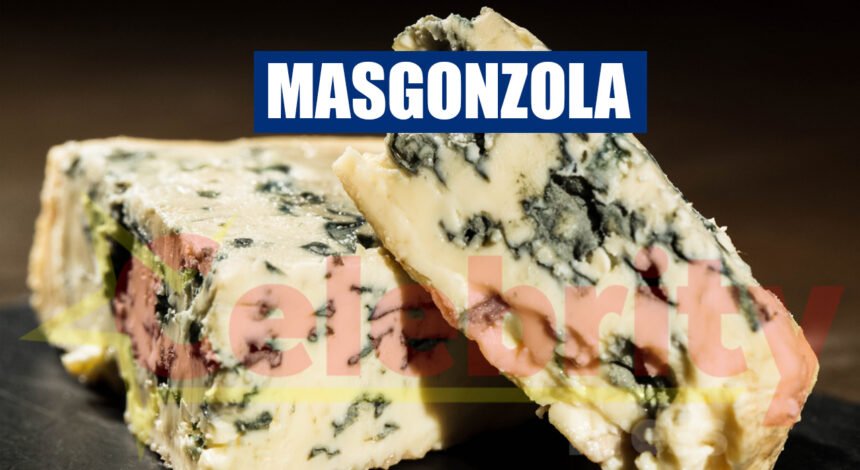
Masgonzola sounds like an Italian cheese, and a pile of articles insists it is one. Yet no producer, region, shop page, or price appears in any of them. Others say it is a philosophy of creativity, and one admits it is an internet word that started as a typo. This article looks at what exists around the keyword, and why a site called Masgonzola could not be found.
Quick Verdict
No legitimate Masgonzola website, brand, or product could be verified. The keyword is a content-farm topic with contradictory definitions, placeholder leftovers, and signs of link seeding. Confidence is medium to high about the swarm and low about any official site, because the domains could not be opened from the research environment. If a site exists at those addresses, its content remains unseen.
Name Origin
Several articles say the word blends mascarpone with gorgonzola. Gorgonzola is a real, protected Italian blue cheese, and mascarpone is a real Italian cream cheese. Others say the first syllable is the Spanish word for more. None gives a source, and one admits the term started as a typo with no confirmed creator. The invented etymologies fill the gap where a real history would be, which is common with coined keywords.
Domain Check
The dot-com, dot-net, and dot-org versions were blocked from the research fetch tool by robots rules, and direct requests were refused by the sandbox. A lookup tool reported that no registration data was found for the dot-com, though that result describes the lookup and does not prove the name is unregistered. No creation date, registrar, or owner could be obtained. Nothing is claimed here about those domains.
Scanner Gap
The scanner page for the dot-com showed only a human-verification button with no score. Gridinsoft and Trustpilot returned errors, and a search for reviews returned only unrelated brands. SimilarWeb showed its generic landing page. No guest-post marketplace listing turned up either. With no scores to quote, it is better to report the gap than to guess. A missing score is not a safe rating.
Article Swarm
At least fourteen distinct explainers exist, from hosts with names that have nothing to do with food. Eleven were read in full, and five more appeared only as search results. They carry dates between August 2025 and June 2026. Not one links to a website for the product or names a producer. The word appears only in their own addresses and tag pages, which is how keyword capture works.
Cheese Claims
The cheese camp disagrees with itself. One says it was conceived by modern artisan cheesemakers and has a short aging period with a shelf life of two to three weeks. Another says it is layered and marbled with a mild version of gorgonzola. A third says it is not a traditional protected cheese yet is more commonly produced in northern Italy and can be made at home by mixing the two cheeses. Those cannot all be true.
Concept Claims
Other pages leave cheese behind. One calls Masgonzola a made-up internet word with no dictionary meaning that began as a typo, and it is the only article read that admits it is not a thing. A second describes an abstract idea of creativity, originality, and adaptability. A third treats it as both a cheese and a design metaphor. One more calls it an emerging concept not yet officially registered.
Misspelled Intro
Careless writing shows the speed. One page misspells the word in its opening as Masonzola and Magonzola. Another uses Mascarpone in several headings where the keyword was intended, and its footer misspells its own site name. A third drops the term from sentences, leaving fragments like “about, from.” Real editors catch these errors; bulk production does not. The mistakes also show that the writers had no product to describe.
Template Leftovers
Theme scraps remain on many pages. One site is titled “My Blog” and shows the default “Hello world” comment. Another contains filler text about the argument for using filler text, plus a contact block with a fake phone number and a New York address that reads like a demo. A third mentions “FooBar” and a magazine theme in its newsletter text. A fourth carries a widget sentence from the theme documentation.
Forum Seeding
One example shows how the keyword is pushed. A cheese-promotion post appeared on the tip-reporting forum of a Thai police station, posted by an anonymous visitor account with the name “seo,” and it contains two keyword links to another site. That kind of forum post is classic link spam: it costs nothing, ranks poorly, and exists only to pass a link. It is evidence of effort to promote the term, not of a real cheese.
Odd Hosts
Hosts include pseudo-country addresses ending in “.it.com” and “.co.com,” a “magazine” blog whose page carries many unrelated UK online-casino links, and generic WordPress sites. None has a connection to Italy or food. Several use similar theme demos, which suggests common tooling, but no shared byline links them. Bylines are single first names or “Admin,” so a network cannot be proven from the bylines alone.
Retail Reality
A real blended product does exist. Searches for the keyword surfaced retail listings for gorgonzola-with-mascarpone cheese sold under ordinary names, in grocery shops. They were not opened. The point is that the idea of layering these two cheeses is old, and an actual layered cheese is not the same as a brand called Masgonzola. No retailer or producer page used the keyword as a product name in the pages read.
Reader Risk
Reading the articles carries little technical risk, though some sit on casino-heavy hosts that may show aggressive ads. The larger risk is wasted effort. A cook who hunts for a branded cheese will not find it, and a shopper who sees a “Masgonzola” listing on an unfamiliar site should ask who makes it. No evidence of fraud was found, only the absence of any verifiable product.
Why Coined Words
Invented keywords are attractive to farms because there is no competition. A made-up word has zero authoritative pages, so the first hundred articles rank. A publisher can define it any way it likes, and the resulting confusion keeps readers searching. Once a few pages exist, others copy them to capture the same traffic. That feedback loop explains how a typo-like term grew a swarm in a year.
Seasonal Pattern
Dates cluster in bursts. Two pages share the same day in August 2025, others arrive in October 2025, February, April, and June 2026, and one in January. Bursts suggest batches of orders to a content supplier, not a steady interest. A product with real buyers would show a trickle of reviews and recipes over time, including photos, prices, and shop names. None of that exists here.
Quality Signals
A real food product leaves a trail. There is a label, a producer’s name, a place of origin, a price in a shop, and photos from customers. Recipe writers mention it by name and show the result. None of that exists for Masgonzola. The articles describe taste in vague terms such as creamy, tangy, and bold, with no tasting notes from an actual person. Vagueness of that kind is typical of text written to fill space.
Protected Names
Gorgonzola carries a protected designation of origin in the European Union, which limits where and how it can be made. One article admits that Masgonzola is not a traditional protected cheese, yet claims it is commonly produced in northern Italy. If a blend used the protected name, the maker would need to follow its rules. Without a named producer, those claims cannot be tested, and readers cannot tell whether any product would qualify.
Home Recipe
Several pages suggest making the blend at home by mixing the two cheeses. That is ordinary kitchen advice, and it needs no brand. A cook can fold mascarpone into crumbled gorgonzola for a spread or sauce and adjust the ratio for taste. The existence of such a recipe does not make Masgonzola a product, just as mixing butter and garlic does not create a branded spread. The articles blur this difference deliberately or by accident.
Reading Order
The pages tend to start with a short definition, then move to history, flavor, uses, pairings, and an FAQ. The history section is the weakest, since it has to describe a past for a word that may have been born as a misspelling. Writers fill it with claims about Italian dairy tradition that are true of cheese in general and say nothing about this name. A reader skimming would not notice, which is why the template works.
Risk Of Reuse
Because the word has no owner, anyone could register a shop under it tomorrow and say it sells the cheese. That is the real hazard of a farmed coined word. The swarm has already prepared the ground by making the name look familiar. If a food shop appears using it, check the company, the product label, and the seller’s returns policy. Familiarity created by farmed articles is not a sign of quality.
Missing Voices
Not one article quotes a cheesemaker, a shop owner, or a home cook who has tasted the product. Food writing normally includes at least one person who handled the ingredient. The absence of any such voice, across fourteen pages, is itself a finding. It shows the writers worked from each other and from a search suggestion, not from the kitchen or the market, and it is the simplest explanation for why every description stays so general.
Evidence Limits
Several things could not be checked. The live domains were never seen, registry data was unavailable, scanner results did not load, and marketplace listings were not found. The eleven pages were read through a summarizing tool, so exact wording should be checked in a browser. The forum post was read, but its target link was not fetched. The swarm count is a floor from only a few searches.
Cook Advice
Anyone curious about the flavor can simply buy a gorgonzola and a mascarpone from a known shop and layer them at home. That recipe needs no brand and no article. If you see a product labelled Masgonzola, read the label for the producer’s name, the country of origin, and the cheese’s protected designation if it claims one. A product with no producer is not worth the price.
Conclusion
Masgonzola has no verified producer, website, or retail listing. Fourteen or more articles describe it as a cheese blend, a creative philosophy, or a typo, with placeholder text, misspellings, casino-heavy hosts, and forum link spam around it. The domains could not be opened, so nothing is claimed about them. Treat the keyword as a coined word farmed for search traffic, and ask for a named maker before trusting any product.
FAQ
1. Is Masgonzola a real cheese?
No producer or retail listing could be found. Articles describe it as a mascarpone and gorgonzola blend, but none names a maker.
2. Does Masgonzola have an official website?
None could be verified. The possible domains could not be opened from the research environment.
3. Is Masgonzola a scam?
o scam was identified. The concern is a farm of contradictory articles and no verifiable product.
4. Why do articles disagree about what it is?
Most were written in bulk for the keyword, with no source, so they describe a cheese, a concept, or a typo.
5. Where does the word come from?
Articles guess it blends mascarpone and gorgonzola. One admits it started as a typo with no confirmed creator.
6. Is gorgonzola with mascarpone a real product?
Yes, layered blends are sold under ordinary names. They are not tied to the keyword.
7. Who runs the articles?
Bylines are generic. No shared author or owner was proven.