

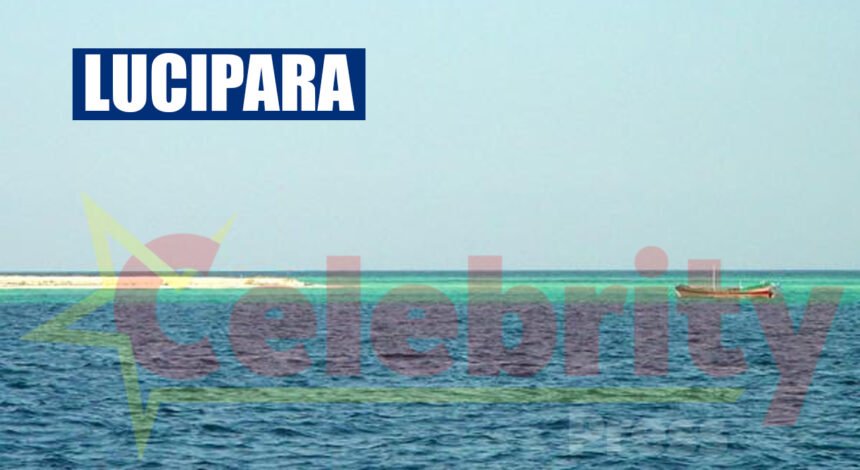
Lucipara refers to the Lucipara Islands, a small and remote island group located in the Banda Sea in Indonesia, far from the country’s more commonly visited destinations. This guide explains where these islands are, why they matter for marine life and conservation, and what makes them a notable, if lesser known, destination for divers and researchers.
Where the Lucipara Islands Are Located
The Lucipara Islands sit in the Banda Sea, part of the Maluku Islands region of Indonesia, an area historically known as the Moluccas. This region lies within the broader Coral Triangle, a marine area recognized globally for having some of the highest levels of marine biodiversity on Earth.
Because of their remote location, far from major population centers and easily accessible tourist routes, the Lucipara Islands remain relatively untouched compared to more heavily visited Indonesian destinations, which is part of what makes them notable to researchers and experienced divers seeking less disturbed marine environments.
Why the Lucipara Islands Matter for Marine Conservation
The waters around the Lucipara Islands are recognized as an important habitat for a range of marine species, including significant coral reef ecosystems. Organizations focused on marine conservation in the region have highlighted the islands as a valuable site for protection efforts, given their role in supporting biodiversity within the wider Coral Triangle.
The area has also been noted for its importance to larger marine species, including blue whales, which are known to pass through or near these waters. This makes the Lucipara Islands relevant not just for coral reef conservation but for broader efforts to protect migratory marine wildlife across the region.
Marine Protected Area Efforts Around Lucipara
In recent years, conservation organizations have worked alongside local stakeholders to strengthen protection around the Lucipara Islands through marine protected area management. These efforts generally aim to balance conservation goals with sustainable use of the area, including responsible marine tourism, which can provide economic benefits to local communities while helping preserve the ecosystem for the future.
Multi stakeholder collaboration, meaning cooperation between conservation groups, local government, and community members, has played a role in these ongoing management efforts, reflecting a broader global trend toward inclusive, community involved conservation approaches rather than conservation efforts managed solely from outside a region.
What Diving Around the Lucipara Islands Is Like
For experienced divers, the Lucipara Islands are known through specialized liveaboard diving trips, meaning multi day boat based diving expeditions, since the islands’ remote location makes them impractical to reach through typical day trip diving arrangements. These trips are often combined with visits to nearby dive destinations, such as the Banda Islands, allowing divers to explore multiple remote sites during a single extended trip.
Diving reports from the area describe healthy coral formations and a wide variety of marine life, consistent with the region’s reputation as part of the globally significant Coral Triangle. Because of the remote and less disturbed nature of the site, diving here tends to appeal specifically to more experienced divers seeking less crowded, more pristine underwater environments compared to popular, heavily visited dive destinations elsewhere in Indonesia.
The Broader Significance of the Banda Sea Region
The Lucipara Islands sit within the broader context of the Banda Sea, a region with deep historical significance tied to the global spice trade centuries ago, when the nearby Banda Islands were a major source of nutmeg and other valuable spices sought after by traders from around the world.
Today, this same region draws attention less for trade and more for its ecological value, reflecting a broader shift in how remote island regions like this are valued, from historical economic significance to present day recognition of their environmental importance.
Practical Considerations for Visiting the Region
Given their remote location, reaching the Lucipara Islands generally requires significant advance planning, typically through a specialized liveaboard diving operator familiar with the region rather than independent travel arrangements. Travelers interested in visiting should expect a multi day journey as part of a broader trip through the Maluku or Banda Sea region, rather than a simple day trip from a major city.
Because of the islands’ ecological sensitivity, responsible visitors should follow guidance from tour operators and conservation organizations regarding appropriate behavior around coral reefs and marine wildlife, helping support ongoing conservation efforts rather than adding pressure to a fragile ecosystem.
Comparing Lucipara to Other Indonesian Dive Destinations
| Destination | Accessibility | Known For |
|---|---|---|
| Bali | Highly accessible, major tourist hub | Wide range of dive sites, strong tourism infrastructure |
| Raja Ampat | Moderately remote, popular with divers | Exceptional coral biodiversity, well known internationally |
| Banda Islands | Remote, reached mainly by liveaboard | Historical spice trade sites, strong diving reputation |
| Lucipara Islands | Very remote, liveaboard only | Pristine, less visited reefs and significant marine wildlife |
This comparison shows that the Lucipara Islands occupy a niche as one of the more remote and less commercially developed options among Indonesia’s many notable dive destinations.
Why Remote Locations Like Lucipara Matter for Global Biodiversity
Remote, lightly visited locations like the Lucipara Islands often serve as important reference points for scientists studying coral reef health, since they experience less direct human pressure compared to heavily visited or developed coastal areas. Understanding how ecosystems function in these less disturbed environments can help inform conservation strategies in more heavily impacted areas elsewhere in the world.
This scientific value, combined with the area’s natural beauty and biodiversity, is part of why conservation organizations continue to prioritize attention and resources toward protecting the Lucipara Islands and similar remote sites within the Coral Triangle.
The Wildlife That Makes the Region Distinctive
Beyond coral reefs, the waters surrounding the Lucipara Islands support a wide range of marine species typical of the broader Coral Triangle ecosystem, including numerous reef fish species, sea turtles, and various types of pelagic fish that pass through the open waters between the islands. This rich biodiversity is part of what draws both researchers and experienced divers to such a remote and otherwise difficult to reach location.
The documented presence of blue whales in or near these waters adds a particularly notable dimension to the region’s ecological significance, since blue whales are the largest animals on Earth and their migratory patterns and habitat needs make any confirmed area of importance to their movement a meaningful conservation consideration on a global scale, not just a regional one.
How Climate and Seasonal Patterns Affect the Region
Like much of Indonesia, the waters around the Lucipara Islands experience seasonal patterns influenced by monsoon winds, which can affect sea conditions, visibility for diving, and the general accessibility of the region throughout the year. Experienced dive operators familiar with the area typically plan trips around more favorable seasonal windows, when calmer seas and clearer water make the remote journey and subsequent diving experience more reliable and enjoyable.
Understanding these seasonal patterns is particularly important given the islands’ remote location, since unfavorable weather conditions can significantly complicate an already logistically challenging trip to reach them.
The Role of Local Communities in Ongoing Conservation
Effective conservation of remote marine areas like the Lucipara Islands generally depends significantly on the involvement and support of nearby local communities, who often have generations of traditional knowledge about the surrounding waters and a direct stake in the long term health of local fisheries and marine resources.
Conservation approaches that actively involve local communities, rather than imposing restrictions from outside without local input, tend to prove more sustainable over time, since community members who benefit from and understand the value of a healthy marine ecosystem are more likely to support and help enforce protective measures long after any initial conservation project or funding period ends.
Why Remote Marine Sites Face Unique Protection Challenges
Protecting a remote marine area like the Lucipara Islands comes with distinct challenges compared to more accessible, heavily monitored coastal regions. Limited accessibility can make regular monitoring and enforcement more difficult and costly, while the same remoteness that helps preserve the area’s pristine condition can also make it harder to detect and respond to threats such as illegal fishing activity when they do occur.
Balancing these challenges typically requires creative approaches, including partnerships between conservation organizations, local government, and community members, combined with technology such as satellite monitoring in some cases, to maintain effective oversight despite the area’s remote and difficult to reach location.
What Scientists Study When Visiting Remote Reef Systems
Researchers visiting remote reef systems like those around the Lucipara Islands typically focus on documenting coral health and diversity, tracking fish population data, and assessing overall ecosystem resilience compared to more heavily impacted reefs elsewhere. This kind of baseline data collection matters because it provides a comparison point for understanding how coral reefs behave under lower levels of direct human pressure, which can inform conservation strategies applied to more threatened reef systems.
Long term monitoring, even when conducted only periodically due to the area’s remoteness, helps scientists track gradual changes over time, including effects potentially linked to broader global pressures such as rising ocean temperatures, which affect even remote and otherwise well protected reef systems.
Planning Considerations for a Liveaboard Trip to the Region
Anyone considering a liveaboard diving trip that includes the Lucipara Islands should expect a longer, more involved trip than a typical single destination dive vacation. These trips often span a week or more, covering significant distances between dive sites across the wider Banda Sea region, and typically require booking well in advance given the specialized nature of the itinerary and the limited number of operators offering this specific route.
Given the advanced diving skills often recommended for remote sites like this, less experienced divers may want to build up experience at more accessible locations first before attempting a trip that includes the Lucipara Islands as part of its itinerary.
Conclusion
Lucipara refers to the Lucipara Islands, a remote island group in Indonesia’s Banda Sea recognized for its rich coral reef ecosystems, its role in supporting significant marine wildlife, and its ongoing importance to marine conservation efforts within the globally significant Coral Triangle. While not a typical tourist destination, the islands hold real value for divers seeking pristine, less visited reefs and for researchers and conservationists focused on protecting one of the world’s most biodiverse marine regions.
A Final Thought on Remote Places Worth Protecting
Places like the Lucipara Islands rarely make headlines, yet they quietly play an outsized role in sustaining the biodiversity of an entire region. Their continued protection depends on sustained attention from conservation groups, researchers, and the small number of travelers who visit responsibly, long after any single article or news cycle about them has passed.
Frequently Asked Questions
1. Where are the Lucipara Islands located?
They are located in the Banda Sea, within the Maluku Islands region of Indonesia, part of the globally significant Coral Triangle.
2. Are the Lucipara Islands a popular tourist destination?
No. Due to their remote location, they are visited mainly by experienced divers through specialized liveaboard trips rather than typical tourism.
3. Why are the Lucipara Islands important for conservation?
They support significant coral reef ecosystems and serve as habitat or migratory waters for marine wildlife, including blue whales, making them a priority for marine protected area efforts.
4. How do people typically visit the Lucipara Islands?
Most visitors reach the islands through multi day liveaboard diving trips, often combined with visits to nearby destinations like the Banda Islands.
5. What makes the region around Lucipara ecologically significant?
The islands sit within the Coral Triangle, an area recognized for having some of the highest levels of marine biodiversity found anywhere on Earth, making its continued protection a genuinely global conservation priority.