

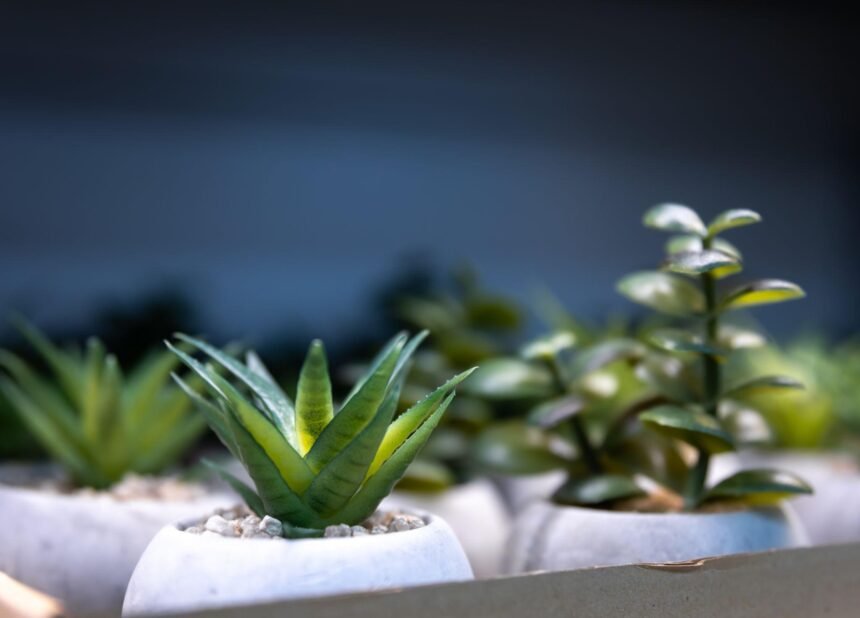
An indoor garden allows you to grow herbs, vegetables, flowers, and houseplants year-round, regardless of outdoor weather or available garden space. You don’t need a large room or expensive equipment to get started. With a suitable location, proper lighting, growing containers, and basic gardening supplies, you can create a productive indoor growing space.
Here are the essential steps to set up an indoor garden.
1. Choose a Suitable Location
Choose a location with enough room for plants to grow, convenient access to water, and good airflow. A windowsill, kitchen counter, or spare room can all work. Light is also important, but if sunlight is limited, make sure there is enough space to install LED grow lights. Avoid areas near heating vents, air conditioners, or drafty windows, as sudden temperature changes can stress plants.
2. Choose What to Grow
Your plant choices should match your available space, lighting, and gardening experience. Herbs such as basil, mint, and parsley are easy options for small indoor gardens. Lettuce, spinach, and kale are also suitable for beginners. If you have stronger lighting and more space, you can try growing cherry tomatoes and peppers.
3. Prepare Containers and Growing Medium
Choose containers that provide enough room for root development. Pots with drainage holes are essential for soil cultivation. Use a quality potting mix formulated for indoor plants rather than ordinary garden soil, which can become compacted in containers.
You can also choose hydroponics if you want to grow plants without soil. Systems such as DWC deliver nutrient-rich water directly to plant roots. However, hydroponic gardening requires regular monitoring of nutrient concentration and pH.
4. Install Grow Lights(Optional)
Natural sunlight may be enough for some indoor plants, but it is often inconsistent, especially during fall and winter. If your plants don’t receive sufficient sunlight, LED grow lights can provide the additional light they need.
Choose a full-spectrum LED grow light with suitable PPFD and coverage for your growing area. Adjustable hanging height and dimming features are also useful because you can change light intensity as plants grow.
5. Maintain Suitable Temperature and Airflow
Indoor plants need suitable temperatures and good airflow to grow properly. Many common indoor vegetables grow well around 65–80°F (18–27°C). Use a thermometer and hygrometer to monitor temperature and relative humidity. Adjust ventilation when conditions move outside your plants’ preferred ranges. For a small indoor garden, a circulating fan can improve airflow around plant leaves.
6. Water Your Plants
Watering needs vary by plant species, container size, and growing conditions. Instead of following a fixed schedule, check soil moisture before watering. Water when the growing medium has dried to the appropriate depth for each plant, and allow excess water to drain away.
Alternatively, you could consider drip irrigation kits specifically designed for indoor plants. Drip irrigation systems deliver water slowly and continuously to the roots, effectively preventing watering problems.
7. Fertilize Your Plants
Container-grown plants also need nutrients as they grow. Apply a suitable fertilizer according to the product instructions and plant requirements. For hydroponic gardens, regularly check the nutrient solution’s pH and EC to maintain appropriate nutrient availability.
7. Maintain Your Indoor Garden
Regular maintenance keeps your indoor garden healthy. Remove dead or yellowing leaves, inspect plants for pests, and clean containers and growing areas to prevent problems. Adjust grow light height as plants develop, and prune when necessary to manage plant size and improve airflow.
If you’re new to indoor gardening and unsure which equipment to choose, check out Mars Hydro Black Friday Sale. You can find LED grow lights, circulating fans, and drip irrigation kits at great discounts to help you set up your indoor garden.
Final Thoughts
Setting up an indoor garden is straightforward when you start with the right space, plants, and equipment. Begin with a few easy-to-grow herbs or leafy greens, provide sufficient lighting and water, and maintain suitable growing conditions. Once you understand your plants’ needs, you can gradually expand your garden to grow more varieties throughout the year.
READ ALSO: Buy Instagram Followers: Instant Delivery Leaders