

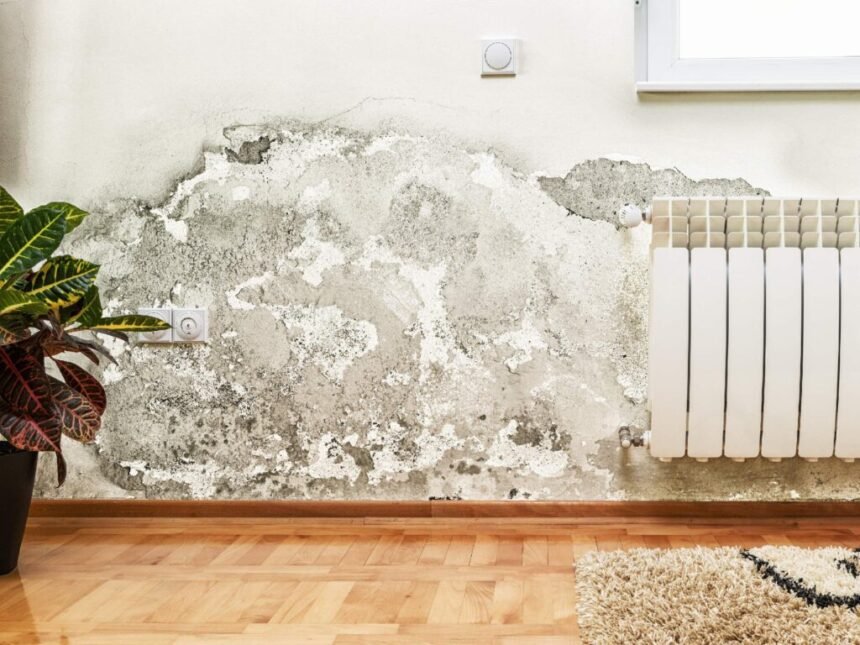
Damp and mould are among the most common issues reported by tenants, especially during the colder months. They can damage a property, affect tenants’ health and lead to disputes if not handled properly. In recent years, the government has placed greater focus on housing conditions, and landlords are expected to respond quickly and effectively. This guide explains what causes damp and mould, what your responsibilities are and how to handle complaints in a fair and practical way.
Why Damp and Mould Matter
Damp and mould can cause respiratory problems, allergies and other health issues, particularly for children, older people and those with existing health conditions. They can also damage plaster, decoration, flooring and furniture, reducing the value and appeal of your property.
In England, damp and mould are among the hazards assessed under the Housing Health and Safety Rating System. Local councils can take enforcement action if they find serious hazards. The government has also announced plans to apply stricter timeframes for investigating and fixing hazards, known as Awaab’s Law, to the private rented sector, so landlords should keep up to date with the latest requirements.
Understand the Main Types of Damp
Identifying the cause is the first step to solving the problem. The main types are:
- Condensation: the most common cause, occurring when warm, moist air meets cold surfaces such as windows and external walls
- Penetrating damp: water entering from outside through defects such as damaged roofs, gutters, pointing or window seals
- Rising damp: moisture rising from the ground through walls, often where a damp-proof course has failed or been bridged
- Leaks: water escaping from plumbing, appliances or heating systems
Each requires a different solution, so a proper diagnosis is essential.
Respond Quickly to Complaints
When a tenant reports damp or mould, acknowledge the report promptly and arrange an inspection as soon as possible. Delays can allow the problem to worsen and damage your relationship with the tenant.
Avoid assuming the tenant is to blame. While lifestyle factors can contribute to condensation, many cases are linked to the property’s condition, ventilation or heating.
Inspect and Investigate
During the inspection, look for the source of moisture. Check for leaks, damaged gutters, roof defects, blocked air bricks and poor ventilation. Note where mould appears and how extensive it is. Take photographs and keep detailed records.
For persistent or complex cases, consider calling in a qualified surveyor or damp specialist. Be cautious of anyone who recommends expensive treatments without identifying the underlying cause.
Fix the Underlying Cause
Treating mould without addressing its cause is only a short-term solution. Depending on the diagnosis, repairs may include:
- Repairing roofs, gutters, downpipes or external walls
- Fixing leaks in plumbing or appliances
- Installing or upgrading extractor fans in kitchens and bathrooms
- Improving ventilation with trickle vents or other systems
- Improving insulation to reduce cold surfaces
- Ensuring the heating system works effectively
Once the cause is fixed, treat affected areas and redecorate with suitable products.
Work With Your Tenants
Tenants can help reduce condensation through everyday habits. Share practical advice, such as using extractor fans, keeping lids on pans, drying clothes outside or in well-ventilated rooms, opening windows when possible and maintaining a steady level of heating. Present this as helpful guidance rather than blame.
Keep communication open and update tenants on the steps you are taking and the expected timescales.
Keep Records
Document every report, inspection, repair and conversation. Records show that you have acted responsibly and can be crucial if a dispute arises or a council investigates.
Prevent Problems Before They Start
Regular property inspections, routine maintenance of roofs and gutters, and good ventilation and insulation can prevent many damp problems. Checking properties before winter is particularly worthwhile.
Final Thoughts
Handling damp and mould promptly protects your tenants, your property and your reputation as a landlord. If you would like support managing repairs and compliance, speak to Letting agents in Biggleswade who can arrange inspections, coordinate trusted contractors and help you keep your rental property safe, healthy and compliant.