

Elizabeth Jennings was an English poet who published her first book in 1953 and spent nearly five decades writing formal, quiet, and deeply felt verse. Wikipedia says she was born on July 18, 1926, in Skirbeck, Boston, Lincolnshire, and that she died on October 26, 2001, at age 75 in a care home in Bampton, Oxfordshire. Readers who search for her name often find other women with the same name, so this guide separates the poet from them, explains what the sources confirm about her life and work, and shows why critics still read her.
Elizabeth Jennings Bio Table
The table below lists the facts that reference sources report about the poet.
| Detail | Information |
|---|---|
| Full name | Elizabeth Joan Jennings |
| Known for | English poet, associated with The Movement of the 1950s |
| Born | July 18, 1926, in Skirbeck, Boston, Lincolnshire, England |
| Died | October 26, 2001, aged 75, in Bampton, Oxfordshire |
| Burial | Wolvercote Cemetery, Oxford |
| Father | A physician and medical officer of health for Oxfordshire |
| Education | St Anne’s College, Oxford |
| First book | Poems, 1953 |
| Honors | CBE in 1992; honorary Doctorate of Divinity, Durham University, 2001 |
| Faith | Roman Catholic |
| Spouse and children | None reported in the sources reviewed |
Elizabeth Jennings at a Glance
Elizabeth Jennings wrote in plain language and strict forms at a time when many readers expected poetry to be difficult. She published her first book at 27, won prizes early, and kept writing through illness and money trouble until the year she died. Wikipedia describes her as a traditionalist and not an innovator, known for lyric poetry and technical control.
Her subjects included faith, love, memory, art, and the experience of mental illness. She insisted that her poems were not explicitly autobiographical, though the themes often drew on her own life. That mix of restraint and feeling explains why her work still appears in school anthologies and church services.
Early Life in Lincolnshire and Oxford
Jennings was born in Skirbeck, a district of Boston in Lincolnshire, in 1926. Her father worked as a physician and as medical officer of health for Oxfordshire. When she was seven, the family moved to Oxford, and she lived in that city for the rest of her life.
The move shaped her education and her circle. Oxford gave her access to libraries, tutors, and fellow writers, and it became the setting of much of her adult life. The sources reviewed do not describe her mother or any siblings, so this article does not guess at them.
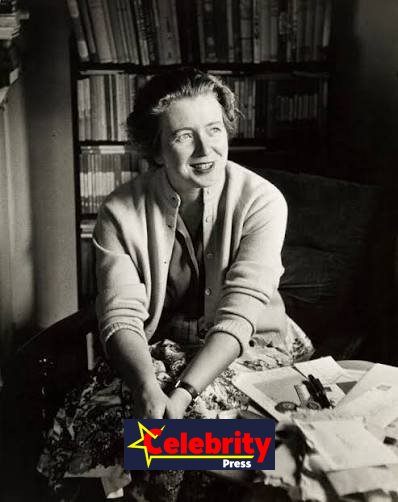
St Anne’s College, Oxford
Jennings attended St Anne’s College, Oxford, and she began her writing career after graduating. The college was one of the women’s colleges of the university, and its students in that era moved in a literary city that valued close reading and formal skill.
After graduating she became a writer, and Wikipedia says she cited Gerard Manley Hopkins, W. H. Auden, Robert Graves, and Edwin Muir as influences. Those four poets differ widely in style, which suggests that she drew from many models and settled on her own measured voice.
First Book and Early Prizes
Her first book, Poems, appeared in 1953 when she was 27. It won the Arts Council Prize for the best first book of poems that year. Two years later, in 1955, she received the Somerset Maugham Award for A Way of Looking, which gave her money to travel.
Early success of that kind is rare, and it placed her among the notable young poets of the decade. The prizes also tied her name to a group of writers whom critics later grouped together, a point the next sections explain.
Rome and the Deepening of Faith
Jennings used the Somerset Maugham prize money for a stay in Rome in 1955, according to Wikipedia, and the trip deepened her religious belief. She was a Roman Catholic, and her faith shaped much of her work. The poet and critic Dana Gioia called her England’s best Catholic poet since Gerard Manley Hopkins.
Her religious poems avoid preaching. They tend to pose questions, describe small moments, and let doubt sit beside belief. Readers who come to her for the first time often start with those poems, since they show her plain style at its clearest.
The Movement
Jennings is linked with The Movement, a group of English poets of the 1950s that included Philip Larkin, Kingsley Amis, and Thom Gunn. Wikipedia says her simple meter and rhyme align her with those writers, who favored clear speech and formal control over the loose, ornate styles of the preceding decade.
The label has limits. Jennings wrote on religious and emotional themes that some of her peers avoided, and she kept to her own concerns throughout her career. Critics who use the term usually mean a shared taste for discipline and clarity, not a shared program.
Major Collections
Her books include A Sense of the World, Recoveries, Relationships, Moments of Grace, and Praises. The Richard Hillary Memorial Prize went to The Mind Has Mountains in 1966. The W. H. Smith Literary Award went to Collected Poems 1953 to 1985 in 1987, which gathered three decades of work in a single volume.
New Collected Poems appeared in 2001, the year of her death, and The Collected Poems followed in 2012. The long gap between her first book and her last shows how steadily she worked. Readers who want to explore her poetry can begin with either collected volume.
Translation, Criticism, and Children’s Verse
Jennings did not limit herself to original poems. She wrote verse for children, translated the sonnets of Michelangelo, and published criticism such as Every Changing Shape, a book that examines mysticism and poetry. Those projects show a writer who treated poetry as a craft with many branches.
The translation of Michelangelo suited her formal skill, since sonnets demand precision. The criticism suited her interest in religious experience. Together they round out a career that reached well beyond a single volume of lyric verse.
Mental Illness and Hard Years
Jennings experienced a spell of severe mental illness, and Wikipedia says it informed her themes. She did not present her poems as confessions, but readers have found in them a steady attention to fear, recovery, and the consolations of form.
Her later years brought financial hardship and continued struggles with her mental health, which affected her critical reputation. The sources reviewed here describe those difficulties in general terms and give no private details, and a respectful account keeps to that level. Her poems remain the best record of how she faced them.
Honors in Later Life
The state recognized her work in 1992, when she received a CBE, a Commander of the Order of the British Empire. In 2001, Durham University awarded her an honorary Doctorate of Divinity, a fitting honor for a poet who wrote so much about faith.
Both honors came late in a long career, and the second came in her final year. They show that the literary world kept faith with her work even when her health and finances were poor.
Death and Burial
Jennings died on October 26, 2001, at age 75 in a care home in Bampton, Oxfordshire. She is buried in Wolvercote Cemetery in Oxford, the city where she had lived since she was seven.
Her death came the same year as New Collected Poems, so the book stands as her last statement. The timing gives that volume a particular weight for readers, though the sources do not say how much of the editing she completed.
Other Women Named Elizabeth Jennings
The name is common, and searches return more than one person. Pages about a woman called Caitlin Elizabeth Jennings, described online as a daughter of a quiz show champion, have no connection to the poet, and reference works such as the Australian Dictionary of Biography list a woman with the same first and last name who has no connection either.
Readers can avoid confusion by checking dates. The poet lived from 1926 to 2001, wrote in English, and spent her life in Oxford. A page that gives other dates or places describes another person.
The Poet’s Reputation Today
Jennings is remembered for clarity and discipline. Critics sometimes treat her as a minor figure beside Larkin, yet readers continue to find her poems on love, faith, and illness useful. The 2012 edition of her collected poems helped bring her to a new generation.
Her story also carries a warning about how reputations move. Illness and money trouble reduced her visibility late in life, though the quality of her work did not decline in the sources’ account. Her case shows why readers should look at the poems and not only at the commentary.
Reading Jennings Today
Readers who come to Elizabeth Jennings for the first time can begin with a collected volume, since both New Collected Poems and The Collected Poems gather work from across her career. A shorter way in is to read a handful of poems on a single theme, such as faith or memory, and notice how plainly she writes.
Her style rewards slow reading. The short lines and regular rhymes look simple, yet the feeling beneath them is rarely simple. Teachers and clergy often use her poems for that reason, and the poems repay repeated reading in a way that quick summaries do not.
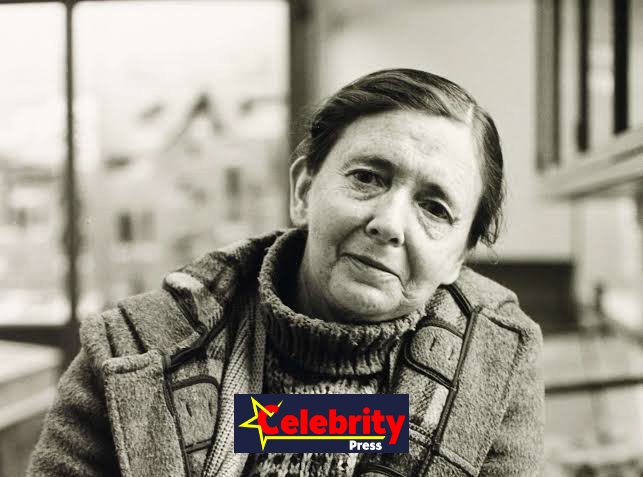
Timeline of Key Dates
The dates below place the poet’s life in order. They come from Wikipedia.
- July 18, 1926: Elizabeth Jennings is born in Skirbeck, Boston, Lincolnshire.
- About 1933: Her family moves to Oxford when she is seven.
- 1953: Poems appears and wins the Arts Council Prize.
- 1955: She wins the Somerset Maugham Award and stays in Rome.
- 1966: The Mind Has Mountains wins the Richard Hillary Memorial Prize.
- 1987: Collected Poems 1953 to 1985 wins the W. H. Smith Literary Award.
- 1992: She receives a CBE.
- 2001: New Collected Poems appears, Durham awards her an honorary doctorate, and she dies on October 26.
- 2012: The Collected Poems is published.
Conclusion
Elizabeth Jennings was an English poet born in 1926 who won early prizes, wrote with formal control, and built much of her work on Catholic faith and the experience of illness. She died in Oxfordshire in 2001 and was buried in Oxford. Readers who meet her name in searches should confirm the dates, since other women share it, and should turn to her poems for the fullest portrait.
Frequently Asked Questions
Who was Elizabeth Jennings?
Elizabeth Jennings was an English poet born on July 18, 1926, in Skirbeck, Boston, Lincolnshire. She published her first book, Poems, in 1953 and became associated with The Movement of 1950s English poets. She died on October 26, 2001, aged 75, in Oxfordshire.
What is Elizabeth Jennings best known for?
She is best known for formal, lyric poetry about faith, love, memory, and illness. Her Roman Catholic belief shaped much of her work, and Dana Gioia called her England’s best Catholic poet since Gerard Manley Hopkins. Her early prizes and her Collected Poems secured her reputation.
What awards did Elizabeth Jennings win?
Wikipedia lists the Arts Council Prize in 1953, the Somerset Maugham Award in 1955, the Richard Hillary Memorial Prize in 1966, and the W. H. Smith Literary Award in 1987. She received a CBE in 1992 and an honorary Doctorate of Divinity from Durham University in 2001.
Where did Elizabeth Jennings live and study?
She was born in Lincolnshire, but her family moved to Oxford when she was seven, and she spent the rest of her life there. She studied at St Anne’s College, Oxford, and began her writing career after graduating. She is buried in Wolvercote Cemetery in Oxford.
Was Elizabeth Jennings part of The Movement?
Yes. Wikipedia places her among The Movement, the group of 1950s English poets that included Philip Larkin, Kingsley Amis, and Thom Gunn. Her simple meter and rhyme align her with them, though her religious themes set her apart from some of her peers.