

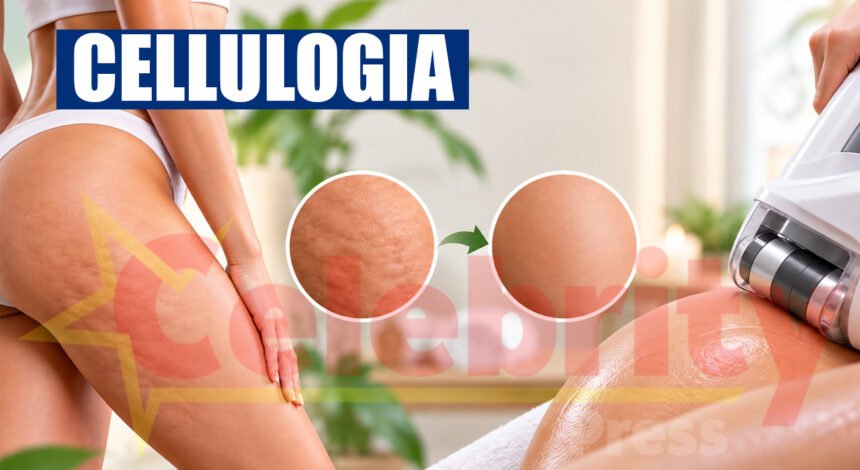
Cellulogia is a name that sounds like it could be a recognized medical or dermatological field, similar to “dermatology” or “cardiology,” and it’s being used across several websites to describe everything from a general wellness philosophy to a specific non-invasive cellulite reduction treatment involving vacuum suction and rolling massage. A direct look at the sites using this term, including one that states the fact plainly in its own text, reveals something important: cellulogia is not a formally recognized medical field or treatment, and readers considering spending money based on this term deserve to know that clearly before doing so.
What “Cellulogia” Actually Claims to Be
Depending on which site you land on, cellulogia is described in noticeably different ways. Some content frames it as a broad, holistic wellness philosophy blending lifestyle habits, skincare routines, and unspecified non-invasive treatments aimed at improving skin health generally. Other content describes it much more specifically, as a particular aesthetic treatment using vacuum suction combined with rolling massage techniques, marketed as a way to improve skin texture and reduce the appearance of cellulite, typically presented as requiring somewhere between six and twenty sessions to see results.
These two framings, a vague general wellness concept and a specific numbered treatment protocol, are not fully consistent with each other, and that inconsistency itself is a signal worth paying attention to, similar to the pattern seen with other vague, inconsistently defined internet terms covered elsewhere in this series.
The Most Important Fact: This Isn’t a Recognized Medical Term
Perhaps the most telling detail in this entire case comes directly from one of the very websites promoting the concept. That site explicitly states that “cellulogia is not a formally recognized medical field” and specifically notes that dermatologists and researchers do not use this terminology anywhere in established scientific literature. This is a genuinely important admission, since it means even content built around promoting the term acknowledges, in its own words, that it lacks the kind of formal medical or scientific standing its official-sounding name might otherwise suggest to an unfamiliar reader.
The name itself follows a naming pattern common to invented wellness and pseudo-medical terms: combining a root related to the target concept, in this case “cellulo-,” evoking cellulite or cellular biology, with a suffix like “-logia,” which mimics the naming convention of genuine, recognized medical specialties. This kind of naming can lend an invented term an unearned sense of scientific legitimacy to a reader unfamiliar with how actual medical specialty names are established and regulated.
No Clinical Evidence, No Named Providers, No Real Pricing
Across the content published about cellulogia, several categories of concrete, verifiable detail are consistently missing. No peer-reviewed clinical studies or research citations support the specific claims made about improved microcirculation, increased collagen production, or measurable, lasting cellulite reduction. No specific treatment providers, clinics, or branded equipment manufacturers are named in connection with the term, which is unusual for a detailed guide describing a supposedly established, multi-session treatment protocol. No actual pricing information appears either, despite descriptions specific enough to mention typical session counts and maintenance schedules.
This combination, specific-sounding procedural details paired with a complete absence of the kind of concrete, checkable information a genuine, established treatment would have, such as named providers, published research, or transparent pricing, is a strong indicator that this content was produced to attract search traffic around a health and wellness adjacent term rather than to inform readers about a real, verified treatment option.
Where This Content Is Actually Being Published
It’s also worth noting where some of this content appears. At least one article describing cellulogia in detailed treatment terms was published on a general entertainment content site whose primary focus is anime, Korean dramas, and celebrity gossip, with health related articles, including this one, appearing alongside entirely unrelated entertainment content, seemingly written by different authors with inconsistent quality and approach. This publishing context is a further signal consistent with search-traffic focused content production rather than genuine health journalism or clinical education, since an outlet with genuine health expertise would typically maintain a more focused, consistent editorial identity around health topics specifically.
Other domains using the cellulogia name include ones hosted on free website building and static site hosting services, a pattern seen repeatedly with quickly produced content sites throughout this series, since these platforms require no meaningful verification of the publisher’s identity or credentials and can be set up at minimal or no cost.
Why This Matters More Than a Typical Vague Buzzword
Many of the ambiguous or invented terms covered elsewhere in this series involve relatively low-stakes subjects, where the main risk of being misled is wasted time or mild confusion. A term connected to skin treatment and body appearance carries meaningfully higher stakes, since it sits adjacent to a wellness and cosmetic treatment industry where consumers do sometimes spend real money, occasionally significant amounts, pursuing treatments described in confident, specific, but ultimately unverified terms.
If a reader encountered this term and believed, based on its official sounding name, that “cellulogia” represented an established, medically recognized treatment category, they could reasonably assume a specific procedure exists with reliable evidence behind it, when what actually exists is a marketing term with no consistent, agreed definition and no cited clinical support. This gap between apparent authority and actual substance is exactly the kind of pattern that deserves real skepticism, particularly for anything connected to health, appearance, or medical treatment claims.
What Genuine, Evidence-Based Approaches to Cellulite Look Like
For useful contrast, it helps to understand what legitimate, evidence-informed approaches to cellulite’s appearance actually involve. Dermatologists generally describe cellulite as a common, normal cosmetic variation related to the structure of connective tissue and fat beneath the skin, affecting a large majority of adult women to some degree, and note that it is not a medical or health problem in itself, even though many people find it cosmetically undesirable.
Treatments with at least some published clinical research behind them include specific, named laser and radiofrequency based procedures, certain FDA-cleared subcision techniques that address the connective tissue bands associated with cellulite’s dimpled appearance, and topical retinoid treatments with modest, documented effects. Importantly, these genuine treatment categories are described in established, peer-reviewed dermatological literature and offered by named, credentialed providers, typically board-certified dermatologists or licensed aesthetic medicine practitioners, a meaningfully different picture from the vague, unattributed descriptions found in cellulogia related content.
How to Evaluate Any Skin or Body Treatment Claim You Encounter Online
- Check whether the specific term used is recognized in established dermatological or medical literature, rather than only appearing on wellness blogs and content sites.
- Look for named, credentialed providers, such as board-certified dermatologists, associated with any specific treatment claim, rather than vague, unattributed descriptions.
- Search specifically for peer-reviewed clinical research supporting any claimed treatment mechanism or outcome, rather than accepting a confident-sounding description at face value.
- Be cautious of specific-sounding procedural details, such as exact session counts, paired with an absence of pricing, named providers, or research citations.
- Consult an actual, licensed dermatologist or qualified medical professional before spending money on any specific cosmetic treatment, especially one described primarily through general content sites rather than medical literature.
What to Do If You’ve Already Encountered Marketing Using This Term
If you’ve come across a specific business, clinic, or product marketing itself using the term “cellulogia” directly, it’s reasonable to ask that business pointedly what specific, named treatment or technology they are actually offering, since the term itself carries no fixed, agreed meaning. A legitimate, transparent provider should be able to describe their actual treatment using established medical or technical terminology, name the specific equipment or technique involved, and, ideally, point to some form of published evidence or regulatory clearance for that specific approach, rather than relying on the vague, invented umbrella term alone to describe what they’re selling.
If a provider cannot or will not provide this kind of specific, verifiable information when directly asked, that reluctance is itself a meaningful warning sign worth weighing heavily before proceeding with any purchase or booking.
Why Invented “-ology” Style Terms Are Especially Effective Marketing
It’s worth understanding, more generally, why a naming pattern like “cellulogia” works so effectively as a marketing device, beyond this one specific case. Suffixes like “-logia” or “-ology” carry strong, learned associations with legitimate, rigorous fields of scientific and medical study, built up over generations of encountering genuine terms like biology, dermatology, or cardiology in educational and clinical contexts. Attaching this same suffix pattern to an invented root word borrows those accumulated associations of scientific rigor and authority without requiring any of the actual clinical research, peer review, or professional regulation that genuine medical specialties are built on.
This is a well documented pattern within wellness and beauty marketing more broadly, appearing across numerous invented treatment and product category names over the years that adopt scientific-sounding terminology specifically to lend an impression of established, evidence-based legitimacy. Recognizing this naming pattern as a marketing technique in its own right, separate from evaluating any specific claim on its individual merits, is a genuinely useful, transferable skill for evaluating unfamiliar wellness and beauty terminology encountered elsewhere.
The Role of Search Engines in Amplifying Unverified Wellness Terms
Search engines and content recommendation systems generally respond to genuine search interest in a term by surfacing whatever content already exists using that term, without independently verifying whether that content reflects an accurate, evidence-based description of a real medical concept. This creates a feedback loop very similar to the one described in other guides in this series: once enough content sites publish articles using an invented term like cellulogia, its apparent prevalence across search results can create a false impression of established legitimacy for a reader who doesn’t dig into whether any of that content is actually citing credible, primary sources.
This dynamic is particularly worth keeping in mind for health and wellness related searches specifically, since the practical stakes of accepting an unverified claim at face value are generally higher than they are for a purely cultural or lifestyle related term, given the potential for real financial cost and, in some cases, physical risk associated with pursuing an unproven cosmetic or medical treatment.
Conclusion
Cellulogia is not a formally recognized medical field, treatment category, or dermatological term, a fact acknowledged even within some of the content promoting it. It appears across multiple websites, some hosted on free platforms, with inconsistent descriptions ranging from a vague wellness philosophy to a specific, multi-session cellulite treatment protocol, none of which is supported by cited clinical research, named providers, or transparent pricing. Readers interested in genuinely evidence-based approaches to cellulite’s appearance should consult a licensed dermatologist and ask about specific, named, medically established treatments rather than relying on this invented, unverified umbrella term.
Frequently Asked Questions
1. Is cellulogia a real medical field or treatment?
No. It is not formally recognized in medical or dermatological literature, a fact acknowledged even by some of the content promoting the term.
2. What does cellulogia claim to treat?
Depending on the source, it’s described either as a general skin health and wellness philosophy or as a specific non-invasive cellulite reduction treatment using vacuum suction and massage, though these descriptions aren’t fully consistent with each other.
3. Is there scientific evidence supporting cellulogia treatments?
No peer-reviewed clinical studies or research citations were found supporting the specific claims made about cellulogia, and no named providers or specific equipment brands are cited in connection with it.
4. Are there real, evidence-based treatments for cellulite?
Yes. Dermatologists recognize certain laser, radiofrequency, and subcision based treatments with published clinical research behind them, offered by named, credentialed medical providers, which is a meaningfully different picture from the vague claims made about cellulogia.
5. What should I do if a clinic markets a treatment using this term?
Ask the provider to name the specific, established treatment or technology they’re actually using and request any published evidence or regulatory clearance, rather than accepting the invented umbrella term alone as a description of what you’d be paying for.