

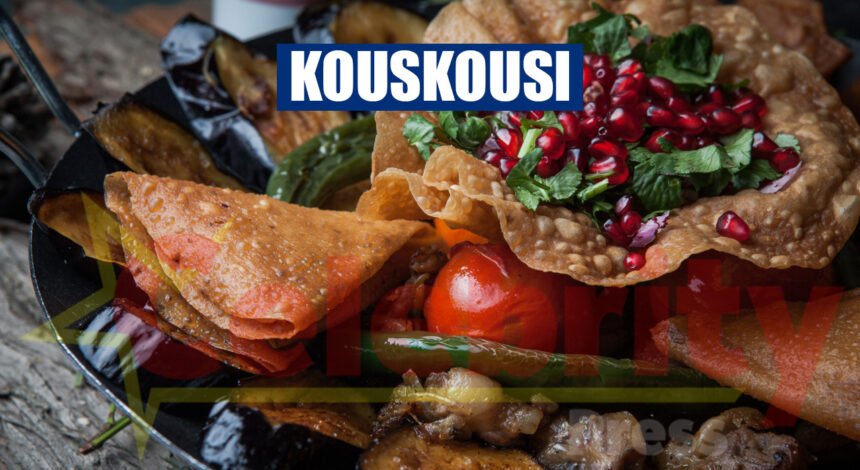
Kouskousi is a name you may have seen written in a few different ways online, and it refers to one of the most well known dishes across North Africa and parts of the Mediterranean, more widely known in English as couscous. This guide explains what kouskousi actually is, where it comes from, and how it is traditionally prepared and enjoyed.
What Kouskousi Actually Is
Kouskousi is a spelling variation of couscous, a dish made from small steamed granules of crushed durum wheat semolina. Because couscous has spread across many countries and languages over centuries, its name has taken on several different spellings and pronunciations, including kouskousi, cuscus, kuskus, and couscous itself, depending on the language and region.
At its core, the dish consists of tiny semolina grains that are traditionally steamed, not boiled, which gives properly prepared couscous a light, fluffy texture rather than a dense or mushy one. It is often served as a base for vegetables, meat, or a flavorful broth, similar to how rice or pasta might be used in other cuisines.
Where Kouskousi Comes From
Couscous has deep roots in North African culinary tradition, particularly among the Amazigh, also known as Berber, peoples of the Maghreb region, which includes present day Morocco, Algeria, Tunisia, and Libya. Historical evidence suggests the dish has been prepared in this region for many centuries, long before it spread more widely across the Mediterranean and eventually to other parts of the world.
Over time, couscous traveled along trade and migration routes into parts of Southern Europe, the Middle East, and West Africa, picking up local variations in preparation, seasoning, and even its name along the way. This is part of why you may encounter the word written as kouskousi in some regional or translated contexts, alongside other spellings used elsewhere.
How Kouskousi Is Traditionally Made
Authentic preparation of kouskousi relies on a specific steaming process rather than simply boiling the semolina in water. Traditionally, cooks use a special pot called a couscoussier, which has two stacked sections: a lower pot for simmering a flavorful broth, often with vegetables, meat, or spices, and an upper section with small holes that allows the rising steam to gently cook the semolina above it.
This steaming method is repeated in stages, with the semolina removed, gently fluffed by hand to break up clumps, lightly moistened, and returned to steam again. This careful, sometimes lengthy process is part of why traditional couscous preparation has historically been considered a skill passed down within families and communities, particularly among the women who often lead its preparation for gatherings and celebrations.
Common Ways Kouskousi Is Served
While preparation styles vary by country and region, a few common patterns appear across North African cooking. In Morocco, couscous is often served with a rich stew of vegetables and meat, commonly lamb or chicken, sometimes finished with a broth flavored with warm spices such as cumin, cinnamon, or saffron.
In Algeria and Tunisia, regional variations might include different vegetable combinations, spice blends, or the addition of chickpeas, raisins, or a spicier broth. Some versions are served on special occasions, such as Friday family meals or religious celebrations, reflecting the dish’s deep cultural and social significance beyond its role as everyday food.
Nutritional Basics of Kouskousi
Kouskousi, made from wheat semolina, provides carbohydrates as its main nutritional component, along with a moderate amount of plant based protein. Because it is typically served alongside vegetables and sometimes meat or legumes, a full kouskousi meal often provides a more balanced mix of nutrients, including fiber, vitamins, and minerals from the accompanying ingredients.
As with any wheat based food, kouskousi is not suitable for individuals with celiac disease or a gluten sensitivity, since durum wheat semolina naturally contains gluten. Anyone with dietary restrictions or health conditions should check ingredient details carefully or consult a healthcare professional before making it a regular part of their diet.
Kouskousi Compared to Other Grain Based Dishes
| Dish | Main Ingredient | How It Differs from Kouskousi |
|---|---|---|
| Rice | Whole rice grains | Cooked by absorption or boiling, not steamed semolina |
| Pasta | Wheat flour dough | Shaped and boiled, rather than steamed granules |
| Quinoa | Quinoa seeds | A naturally gluten free seed, not a wheat product |
| Kouskousi | Steamed semolina granules | Uses a distinct multi stage steaming method |
This comparison highlights that kouskousi’s defining feature is not just its ingredient, but its traditional steaming preparation, which sets it apart from many other grain based staples eaten around the world.
Common Misunderstandings About Kouskousi
Misunderstanding 1: Kouskousi and couscous are two different foods. They are the same dish. Kouskousi is simply an alternate spelling or transliteration used in certain languages and regions.
Misunderstanding 2: Kouskousi is the same as pasta. While both are made from wheat, kouskousi is made from steamed semolina granules using a distinct method, rather than shaped dough that is boiled like traditional pasta.
Misunderstanding 3: There is only one correct way to prepare it. Preparation varies widely across North African countries and even between individual families, with differences in spices, accompanying ingredients, and cooking techniques.
How to Try Making a Simple Version at Home
- Choose a good quality durum wheat semolina, often labeled specifically for couscous preparation.
- If you do not have a traditional couscoussier, a simple method involves rehydrating pre steamed, quick cooking couscous with hot broth or water, then fluffing it with a fork once absorbed.
- Prepare a simple vegetable and broth mixture, using ingredients such as carrots, zucchini, chickpeas, and warm spices like cumin and cinnamon.
- Serve the semolina as a base, topped or surrounded by the vegetable and broth mixture.
- Adjust seasoning to taste, keeping in mind that traditional versions often balance warmth from spices with the freshness of vegetables.
While this simplified approach does not fully replicate traditional multi stage steaming, it offers an accessible starting point for trying the dish at home.
Why Kouskousi Remains an Important Cultural Dish
Beyond its role as an everyday food, kouskousi holds deep cultural significance across North Africa, often associated with hospitality, family gatherings, and shared meals. In many households, preparing it is treated as an act of care, especially when made for guests or during important social and religious occasions.
Its continued popularity, both within the region and among people around the world who have come to know it through migration, travel, and global food culture, reflects how a single traditional dish can carry deep cultural meaning while also adapting to new places and audiences.
Regional Variations Across North Africa
While the basic technique of steaming semolina remains consistent, kouskousi takes on distinct regional character across North Africa. Moroccan versions often lean toward a slightly sweeter profile in certain festive dishes, sometimes combining the semolina with caramelized onions, raisins, and warm spices, alongside more savory everyday versions served with vegetables and meat.
Algerian preparations frequently emphasize a rich, well spiced broth, sometimes including a wider variety of vegetables such as turnips, pumpkin, and fava beans, depending on the season and region. Tunisian versions often introduce a noticeably spicier profile, incorporating harissa, a chili paste common in Tunisian cooking, into the accompanying broth or served alongside the dish. Libyan preparations can include their own distinct spice blends and ingredient combinations, reflecting the country’s own culinary traditions and history.
The Social and Ceremonial Role of Kouskousi
Beyond its everyday role as a staple food, kouskousi frequently appears at significant social and religious gatherings across North Africa. It is commonly served during Friday family meals, a weekly tradition in many households, as well as during religious celebrations, weddings, and other important community events.
Preparing kouskousi for a large gathering is often a collective effort, with multiple family members contributing to different stages of the process, from preparing the broth to steaming and fluffing the semolina. This communal preparation process reflects the dish’s broader role in strengthening family and community bonds, beyond its function as simply a meal.
How Kouskousi Reached Global Recognition
As North African communities migrated to Europe, North America, and other parts of the world throughout the twentieth century, they brought their culinary traditions, including kouskousi, with them. Over time, the dish became increasingly familiar to broader international audiences, appearing on restaurant menus and in cookbooks well beyond its region of origin.
In 2020, the dish gained a particularly notable form of international recognition when UNESCO added couscous related knowledge and practices, as prepared across Algeria, Mauritania, Morocco, and Tunisia, to its Representative List of the Intangible Cultural Heritage of Humanity, acknowledging the dish’s deep cultural and social significance across the region.
Tips for Sourcing Authentic Ingredients
If you want to prepare a more traditional version of kouskousi at home, sourcing good quality semolina makes a meaningful difference in the final texture. Specialty grocery stores, particularly those focused on Middle Eastern or North African ingredients, often carry both traditional coarse semolina suited for hand steaming and finer, quick cooking varieties designed for faster home preparation.
Warm spices commonly used in traditional recipes, such as cumin, cinnamon, saffron, and ras el hanout, a North African spice blend, are also widely available through specialty grocers and can meaningfully improve the authenticity of a homemade broth compared to using only basic, generic seasoning.
Pairing Kouskousi With Drinks and Other Dishes
Traditional North African meals featuring kouskousi are often accompanied by mint tea, a widely enjoyed beverage across the region, served either before or after the meal as part of the broader dining experience. Fresh salads featuring tomatoes, cucumbers, and herbs also frequently appear alongside the main dish, offering a light, refreshing contrast to the warmth and richness of the semolina and broth.
For those recreating a full traditional meal at home, pairing kouskousi with a simple side salad and a pot of mint tea can help capture more of the complete dining experience typically found across North African households.
How Kouskousi Fits Into Modern Home Cooking Trends
As global interest in traditional, whole grain, and plant forward meals has grown, kouskousi has found a natural place in modern home cooking well beyond its original region. Its relatively simple ingredient list and adaptability to different vegetables, proteins, and spice profiles make it an approachable dish for home cooks looking to expand their cooking repertoire with something rooted in genuine culinary tradition rather than a passing trend.
Many modern cookbooks and food blogs now feature simplified kouskousi recipes designed for quicker weeknight cooking, using pre steamed, quick cooking semolina alongside a shorter list of vegetables and spices, making the dish more accessible to home cooks without extensive time for traditional multi stage steaming, while still keeping the core flavors and character of the original dish intact.
Conclusion
Kouskousi refers to the same traditional dish widely known as couscous, made from steamed semolina granules with deep roots in North African culinary history, particularly among Amazigh communities across Morocco, Algeria, Tunisia, and Libya. Its true value comes not just from its simple ingredients, but from the traditional steaming method and the cultural significance it carries at family tables and celebrations across the region.
Frequently Asked Questions
1. Is kouskousi the same thing as couscous?
Yes. Kouskousi is simply an alternate spelling used for the same traditional semolina based dish known in English as couscous.
2. Where does kouskousi originally come from?
It has deep roots in North African cooking, particularly among the Amazigh peoples of Morocco, Algeria, Tunisia, and Libya.
3. Is kouskousi the same as pasta?
No. While both are wheat based, kouskousi uses steamed semolina granules prepared through a distinct traditional method, rather than boiled dough.
4. Does kouskousi contain gluten?
Yes. It is made from durum wheat semolina, so it is not suitable for anyone with celiac disease or a gluten sensitivity.
5. What is the traditional cooking tool used to make kouskousi?
A special two part pot called a couscoussier is traditionally used, allowing the semolina to be gently steamed above a simmering, flavorful broth.