


Maudie Marian Baer is the daughter of Max Baer, the heavyweight boxing champion whose life and career later inspired the film Cinderella Man, and the younger sister of Max Baer Jr., the actor best known for playing Jethro Bodine on The Beverly Hillbillies. Born in 1944, Maudie has lived almost entirely outside of public life, in sharp contrast to her father’s fame as a world champion and her brother’s decades long television career.
This article looks at what is known about Maudie Marian Baer, from her place within the Baer family to the achievements of her father and brother that have kept the family name in the public eye for generations. It also traces Max Baer’s championship boxing career and Max Baer Jr.’s television success, since so much of the public curiosity about Maudie comes from her connection to two of the more recognizable figures in American boxing and entertainment history.
Quick Bio Table
| Category | Details |
|---|---|
| Full Name | Maudie Marian Baer |
| Known For | Daughter of boxing champion Max Baer |
| Father | Max Baer, heavyweight boxing champion |
| Mother | Mary Ellen Sullivan |
| Born | 1944 |
| Brothers | Max Baer Jr., actor; James “Manny” Baer |
| Public Profile | Very private, with almost no independent public record |
Her Family Background
Maudie Marian Baer was born in 1944 to Max Baer and his second wife, Mary Ellen Sullivan, who had married in 1935. She grew up alongside two brothers, Max Baer Jr. and James Manny Baer, in a household defined by their father’s fame as a former heavyweight champion of the world. Her father’s boxing career had already concluded by the time Maudie was born, meaning she grew up during the years after his championship reign rather than during his most publicly visible fighting years.
Little independent information exists about Maudie herself, since she has not given interviews or built any kind of public career, leaving most of what is known about this branch of the Baer family connected primarily to her father’s boxing legacy and her brother’s acting career rather than to her own life.
Max Baer’s Championship Boxing Career
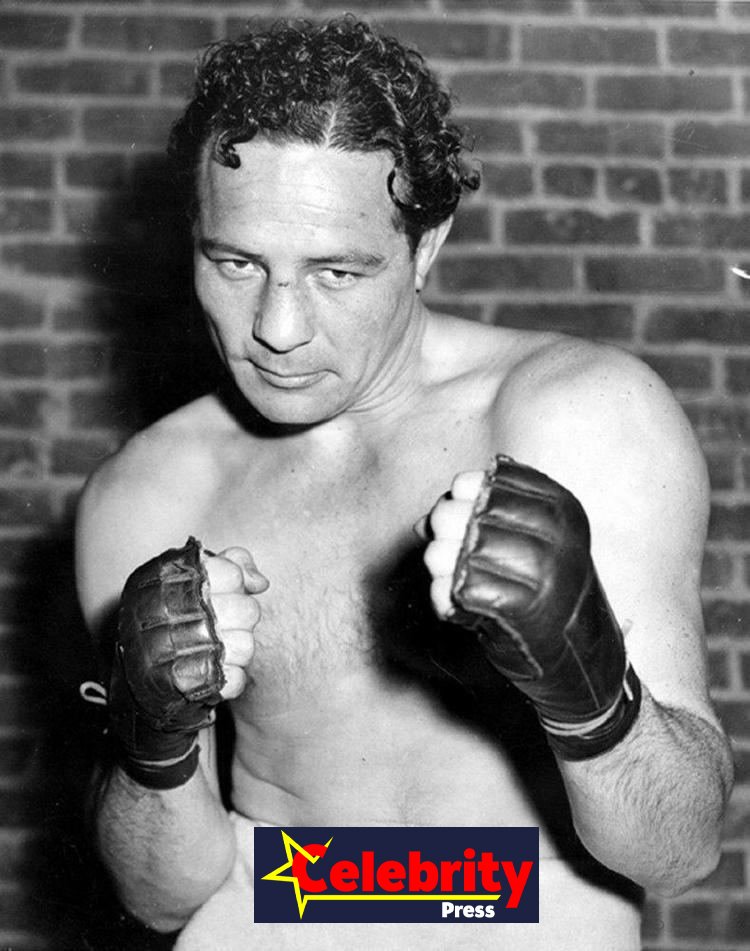
Max Baer became heavyweight champion of the world in 1934 after defeating Primo Carnera in a fight that showcased his combination of punching power and showmanship, qualities that made him one of the most popular and colorful fighters of his era. He lost the title the following year to James Braddock, a fight later dramatized in the 2005 film Cinderella Man, which portrayed Baer in a manner his family has publicly disputed as unfair to his actual personality and character.
Baer’s boxing career, which took place years before Maudie was born, remains the foundation of the family’s public recognition, with his championship reign and colorful personality continuing to be referenced whenever his children or grandchildren are discussed in connection to the sport’s history.

Life in the Baer Household After Boxing
Following his retirement from professional boxing, Max Baer pursued acting and other entertainment ventures, appearing in films and later television before his death in 1959 when Maudie was still a teenager. This meant that Maudie’s childhood took place during a transitional period in her father’s life, after his championship fighting years had ended but during a period when he remained a recognizable public figure through his continued presence in entertainment.
Max Baer’s death in 1959 came relatively early in Maudie’s life, a loss that would have significantly shaped her family’s later years, though no detailed public account of how this affected her personally has ever been published.
Max Baer Jr.’s Rise to Television Fame
Maudie’s brother, Max Baer Jr., became a household name through his role as Jethro Bodine on The Beverly Hillbillies, a sitcom that ran from 1962 to 1971 and became one of the most popular television programs of its era. His portrayal of the naive but well meaning Jethro made him instantly recognizable to television audiences across the country, giving the Baer family a second generation of fame distinct from their father’s boxing legacy.
After The Beverly Hillbillies ended its run, Max Baer Jr. moved into producing and directing, including work on the film Ode to Billy Joe, demonstrating a range of entertainment industry experience that extended well beyond his most famous acting role.
The Cinderella Man Controversy
The 2005 film Cinderella Man, which dramatized James Braddock’s unlikely championship victory over Max Baer, portrayed Baer in a notably villainous light, a depiction that Max Baer Jr. publicly criticized as inaccurate and unfair to his father’s actual reputation as a fighter who was well liked by opponents and the public during his career. This controversy brought renewed public attention to the Baer family’s history decades after Max Baer’s own death, illustrating how a single film’s creative choices can significantly shape public perception of a historical figure long after the events themselves took place.
This kind of dispute over historical portrayal is not unusual in films based on real sports figures, but it added a layer of public engagement for the Baer family that indirectly connects to Maudie’s own family history, even though she herself has never publicly commented on the matter.
A Private Life Away From Family Fame
Unlike her brother Max Baer Jr., who built an entire career in the public eye, Maudie appears to have chosen, or simply fallen into, a much more private life, with limited genealogical records suggesting she married and raised a family away from any entertainment or media career. This pattern, where one sibling pursues public visibility while another remains entirely private, is common among families connected to a famous parent, particularly when the fame originated with that parent’s own career rather than being pursued independently by each child.
This kind of divergence in how siblings choose to engage with a family’s public profile reflects personal choices that are rarely documented publicly unless one sibling actively seeks a media career of their own, as Max Baer Jr. did.
The Baer Family’s Place in Boxing History
Max Baer remains a frequently discussed figure in boxing history, both for his championship victory over Primo Carnera and for his personality, which was considered unusually charismatic and media friendly for a fighter of his era. His fights against Carnera and later against James Braddock remain among the most analyzed heavyweight championship bouts of the 1930s, keeping his name and, by extension, his family’s history relevant to boxing historians and documentary filmmakers decades after his death.
This continued historical interest means that occasional attention returns to Max Baer’s family, including his children, whenever new retrospectives, documentaries, or historical analyses of his career and the era of boxing he competed in are published.
Why People Still Search for Her Name
Interest in Maudie Marian Baer comes almost entirely from people researching Max Baer’s boxing career or Max Baer Jr.’s television career who want to understand the fuller picture of the Baer family. Because both her father and brother achieved significant, well documented fame in different eras and different fields, questions about other family members, including Maudie, continue to surface periodically among those researching the family’s full history.
Because Maudie has kept such a private life, most of what people can find about her traces back to basic genealogical records and brief mentions in biographical accounts of her father and brother rather than to any independent account from her own life.
A Family Spanning Two Generations of Fame
The Baer family’s history spans two distinct eras of American entertainment and sport, from Max Baer’s championship boxing career in the 1930s to Max Baer Jr.’s television stardom decades later, giving the family an unusually long span of public recognition across different fields. Maudie’s own life, lived largely outside of this public attention, offers a contrast to the more visible chapters of her family’s story, illustrating how fame in one generation does not necessarily extend to every family member who follows.
This kind of contrast within a single family, between publicly visible and entirely private members, is common across families connected to long term fame, particularly when that fame originated with an earlier generation rather than being actively pursued by every subsequent family member.
Max Baer’s Path to the Championship
Before becoming heavyweight champion, Max Baer built a reputation in the boxing ring as a devastating puncher, a reputation cemented by his 1930 fight against Frankie Campbell, which tragically resulted in Campbell’s death from injuries sustained during the bout. This incident deeply affected Baer personally and became a defining, difficult moment early in his career, one that he reportedly carried with him throughout his later fights and his subsequent transition into a more crowd pleasing, showman style of boxing.
Baer’s path to the 1934 championship fight against Primo Carnera involved years of building his reputation as both a serious contender and an entertaining personality, qualities that made him one of the more popular fighters of the Great Depression era, a period when boxing served as a significant source of public entertainment across the country.
The Cultural Significance of 1930s Boxing
Boxing during the 1930s occupied a central place in American popular culture, with championship fights drawing massive public attention and turning successful boxers like Max Baer into household names recognized well beyond dedicated sports fans. Baer’s charismatic personality and willingness to engage with the press and public made him particularly well suited to this era, when boxers’ personalities often mattered as much to their popularity as their in ring performance.
This cultural prominence meant that Max Baer’s family, including his children born both before and after his championship years, carried a level of name recognition connected to one of the sport’s most colorful champions, a legacy that continued to shape public interest in the Baer family for decades afterward.
Max Baer Jr.’s Broader Entertainment Career
Beyond his iconic role as Jethro Bodine, Max Baer Jr. built a broader career within the entertainment industry, including writing, producing, and directing projects beyond his acting work. His most notable directorial effort, Ode to Billy Joe, released in 1976, demonstrated his ambitions extended well beyond simply performing in front of the camera, giving him a more complete filmmaking career than many actors known primarily for a single iconic television role.
This kind of expanded entertainment industry career gave the Baer family a second generation of recognition distinct from Max Baer Sr.’s boxing legacy, further cementing the family’s place across two very different corners of American popular culture during the twentieth century.
Genealogical Records of Maudie’s Later Life
Limited genealogical records suggest that Maudie Marian Baer married a man named Thomas Goodwin and had at least two children, a son named Stephen and a daughter named Staci, information that appears in user submitted family history databases rather than through any independent journalism or primary public record. These kinds of genealogical sources, while not equivalent to verified news reporting, offer a rare glimpse into the private life Maudie appears to have built well away from any connection to her family’s entertainment or sports related fame.
This kind of family record, documenting an ordinary married life with children, stands in clear contrast to the extensively documented public careers of both her father and her brother, illustrating just how differently individual family members can choose, or happen, to live their lives even when connected to significant public figures.
Conclusion
Maudie Marian Baer is the daughter of boxing champion Max Baer and the sister of actor Max Baer Jr., born in 1944 into a family already shaped by her father’s championship legacy. Her own story remains almost entirely private, known mainly through her connection to two of the more recognizable figures in twentieth century American boxing and television.
Frequently Asked Questions
Who is Maudie Marian Baer?
Maudie Marian Baer is the daughter of heavyweight boxing champion Max Baer, born in 1944.
Who is Maudie Baer’s famous brother?
Her brother is Max Baer Jr., the actor best known for playing Jethro Bodine on The Beverly Hillbillies.
What is Max Baer best known for?
He is best known for winning the heavyweight boxing championship in 1934 and for later inspiring the film Cinderella Man.
Did Max Baer approve of his portrayal in Cinderella Man?
His son Max Baer Jr. publicly criticized the film’s portrayal of their father as inaccurate and unfairly villainous.
Is much known about Maudie Baer’s life today?
No. She has kept a private life, and there is very little verified public information about her beyond her family background.