

Medical emergencies happen when we least expect them, often involving the people we love most. Learning basic life support and CPR prevents panic and provides the critical intervention needed before paramedics arrive. Discover why taking a modern, blended learning first aid course is easier than you think.
Let’s be honest. We all have that lingering to-do list. You know the one. It is filled with chores and appointments we swear we will get around to eventually. For a lot of us, learning how to save a life sits right at the bottom of that list. We think emergencies only happen to other people. But what if a family member suddenly collapses at the dinner table? That terrifying thought is exactly why getting CPR certified with Coast2Coast in Hamilton should be your top priority this month. You really do not want to learn how much you need these skills the hard way.
Why Do We Keep Ignoring First Aid Training?
Most people assume learning CPR takes way too much time. We picture ourselves sitting in a stuffy classroom for an entire weekend, staring blankly at a whiteboard. As a busy professional or a parent juggling kids, giving up your precious days off feels impossible.
I totally get it. A few years ago, the thought of giving up my Saturday to study medical protocols sounded exhausting. But safety training has actually evolved a lot. You don’t have to waste your entire weekend anymore.
How Does Blended Learning Actually Work?
Canadian Red Cross training programs now rely heavily on a blended learning format. It is designed specifically for people who don’t have time to sit in a traditional classroom.
● Learn at your own pace: You do the theory portion entirely online. You can knock it out on your couch after the kids go to sleep, or even on your lunch break.
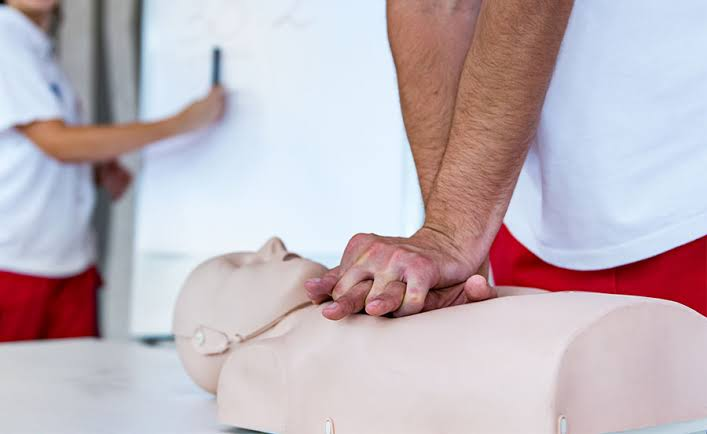
● Hands-on practice: You only show up for a quick, half-day, in-person session to practice the actual chest compressions on training mannequins.
● Better retention: You actually remember the information better because you aren’t cramming it all into a single, exhausting session.
Can Anyone Really Use an AED?
Yes! Have you ever noticed those little boxes on the wall at the mall or the gym? That is an Automated External Defibrillator (AED). A lot of people are terrified to even touch them.
People worry they might accidentally shock someone who doesn’t need it. Here is the secret: modern AEDs are completely foolproof. Once you pop the lid open, a calm voice tells you exactly what to do step-by-step. The machine analyzes the patient’s heart rhythm independently and will physically block you from delivering a shock unless the person actually requires one. You cannot mess it up.
If you are looking for first aid training near downtown Hamilton, Jackson Square, or other areas close to our facility off Hughson Street, then you may reach out to Coast2Coast First Aid/CPR – Hamilton in that area. For more info, course schedules, and articles like this, visit: https://www.c2cfirstaidaquatics.com/
Frequently Asked Questions
What is the difference between standard and emergency first aid? Emergency first aid is a basic, one-day course covering life-threatening situations like choking, severe bleeding, and cardiac arrest. Standard first aid goes much deeper into environmental emergencies, head injuries, broken bones, and sudden medical conditions over two days.
How long is my CPR certification valid in Ontario? A Canadian Red Cross Standard First Aid and CPR certificate is officially valid for three years from the date of issue. However, many employers recommend taking a quick annual refresher course to keep your muscle memory sharp.
Do I have to do mouth-to-mouth resuscitation? Not always. Hands-only CPR is often recommended for adult victims of sudden cardiac arrest if you don’t have a protective barrier device. The primary focus is on delivering deep, fast chest compressions to keep oxygenated blood flowing to the brain.
Is this training WSIB approved? Yes. Comprehensive courses offered by official Red Cross Training Partners meet the strict workplace safety requirements set by the Workplace Safety and Insurance Board (WSIB) in Ontario.
Am I legally liable if I make a mistake during CPR? No. The Good Samaritan Act protects individuals who step in to help during a medical emergency. As long as you act voluntarily, without expectation of financial reward, and avoid gross negligence, you are legally protected.