
Unlike many of the obscure, anonymously run websites covered elsewhere in this series, TriDeltathon turns out to be a genuinely well-documented, long-running charitable event with decades of independent press coverage behind it. Understanding exactly what it supports, and how it differs from a much larger national partnership that shares its name’s first half, is worth getting right before passing along any claims about it.
What TriDeltathon Actually Is
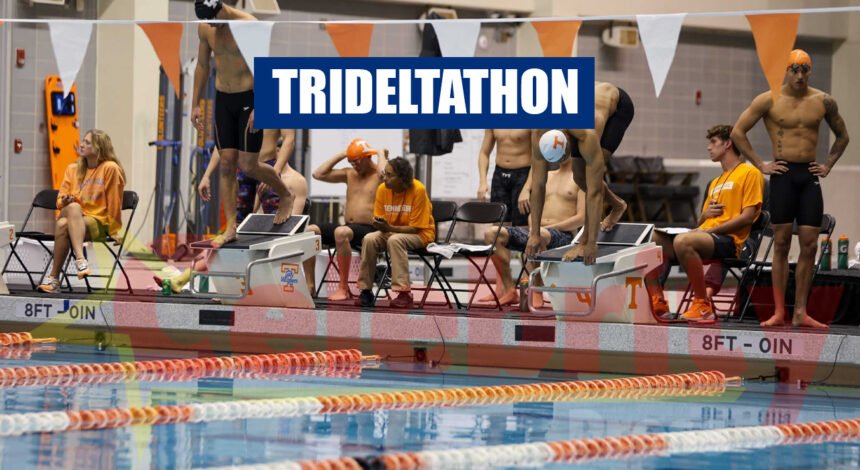
TriDeltathon, sometimes spelled Trideltathon, is an annual charity triathlon held at the University of Tennessee in Knoxville, organized by the university’s chapter of Delta Delta Delta sorority together with the Greater Knoxville Triathlon Club. The event combines a pool swim, a bike loop through campus, and a run past the university’s football stadium, with individual and three-person relay divisions, and it bills itself as the oldest continuously run pool triathlon in the country, a claim that’s consistent with the decades of documented history detailed below.
A Genuinely Long History
Independent coverage from the University of Tennessee’s own student newspaper confirms the event was founded in 1984, with that same 2009 article marking its twenty-fifth running, raising more than seventeen thousand dollars the previous year from over four hundred participants. Race-registration platforms confirm the event has continued at least through its thirty-fifth and thirty-sixth annual runnings in more recent years, giving it a documented, continuous history spanning multiple decades rather than a brand-new or short-lived operation.
What Cause It Actually Supports
Proceeds from TriDeltathon benefit East Tennessee Children’s Hospital in Knoxville specifically, and in several documented years the funds have gone directly toward Camp Eagle’s Nest, a free summer camp for children with cancer and blood disorders sponsored by that hospital. This is a real, independently verifiable local beneficiary with a specific, traceable use for the funds raised each year.
An Important Distinction From Tri Delta’s National Partnership
It’s worth being precise here, since conflating two genuinely different things would itself introduce an inaccuracy: Tri Delta’s national organization separately partners with St. Jude Children’s Research Hospital in Memphis, a much larger philanthropic program that has raised over one hundred million dollars since 1999 according to the hospital’s own press materials. TriDeltathon, however, is a local University of Tennessee chapter event supporting a different, local children’s hospital, not a fundraising arm of the national St. Jude partnership, and readers shouldn’t assume the two are the same program simply because they share an organization’s name.
Independently Verified Across Two Decades of Coverage
What makes this case notably different from most others in this series is that the event’s history isn’t just confirmed by the organizers’ own promotional material; it’s been independently covered by the University of Tennessee’s own student newspaper across at least five separate articles spanning from 1998 through 2009, each one documenting specific fundraising totals, participant counts, and the event’s standing within the university’s Greek community. This kind of sustained, independent press coverage over more than a decade is a meaningfully different evidentiary picture than the single hedge-everything article or templated swarm coverage found around many other names in this series, and it’s the kind of paper trail genuinely hard to fabricate after the fact.
No Swarm of “Is It Legit” Content-Mill Articles Exists
Unlike the large majority of names covered elsewhere in this series, extensive searching turned up no cluster of templated, contradictory “is TriDeltathon legit” articles published across unrelated third-party domains. The only coverage that exists comes from legitimate race-registration platforms, the university’s own student press, and Tri Delta’s own official philanthropy pages, a genuinely different and considerably more reassuring pattern than the manufactured explainer swarms documented around many of the other obscure names in this series.
Why This Name Likely Escaped the Content-Mill Treatment
It’s worth considering why TriDeltathon hasn’t attracted the kind of manufactured explainer swarm documented around so many other names in this series: search interest in a regional collegiate charity event, even one with decades of history, is simply much smaller and more geographically concentrated than interest in a consumer product, a mysterious domain name, or an obscure financial term, none of which offer content-mill operators the same scale of search volume worth chasing. This isn’t a universal rule, plenty of small organizations do get targeted, but it helps explain why a genuinely long-running, legitimate event can still largely escape the pattern that dominates so many of the other cases in this series.
No Consumer Complaints or Controversy Found
No Reddit threads, social-media controversy, or consumer complaints about the event or any associated registration website turned up in any search conducted for this article. The one notable operational hiccup on record was a 2020 cancellation tied to the broader disruption of campus life that year, handled transparently through standard refund, credit, and rollover options on the event’s registration platform, a routine and well-communicated response rather than any kind of red flag.
Why a Genuine Charity Event Still Deserves a Quick Check
Even for an event with this strong a track record, it’s reasonable for a prospective participant or donor to do a quick, independent check before registering or donating in any given year: confirming current event details directly through the university chapter’s own current channels rather than relying solely on an older cached listing is good practice for any annual event, simply because specific logistics, dates, and even organizing details can shift from year to year even when the underlying event remains genuine.
What Legitimate Charity Fundraisers Generally Have in Common
TriDeltathon’s track record illustrates several markers worth looking for in any charity fundraising event: a specific, named beneficiary organization rather than a vague cause, a documented multi-year history with real numbers attached, and independent press coverage from a source with no financial stake in the event’s reputation. Events meeting all three of these markers deserve considerably more trust than one relying purely on its own promotional claims.
Why This Case Stands Out in This Series
Most of the names examined throughout this series turn out to be anonymously run content-mill operations, link-farm properties, or in some cases outright scams, which makes a genuinely verified, long-running charitable event a useful point of contrast. Readers who’ve followed other entries in this series should take this case as a reminder that not every obscure-sounding name hides something to be wary of; some simply haven’t generated the kind of broad public search interest that typically produces manufactured explainer content in the first place.
A Practical Checklist for Verifying Any Charity Event
Before donating to or participating in an unfamiliar charity fundraiser, a few checks go a long way: search for the event alongside the name of its specific beneficiary organization to see whether that organization itself confirms the partnership, look for coverage from a source genuinely independent of the event’s own organizers, and check whether specific fundraising totals or participant numbers are documented anywhere rather than only vaguely claimed. TriDeltathon passes each of these checks clearly based on the evidence gathered here, which is a meaningfully different and more reassuring outcome than most of the other names examined throughout this series.
What to Confirm Before This Year’s Event
Given that the most recent concrete, dated confirmation found during research was tied to a cancelled 2020 running, anyone planning to participate or donate in the current year should confirm directly with the University of Tennessee chapter or the event’s registration platform that it’s still actively scheduled, rather than assuming continuity from older coverage alone. This is simply good practice for any annual event and shouldn’t be read as a mark against the organization’s underlying legitimacy.
What the Triathlon Format Itself Looks Like
For anyone curious about the event’s actual structure, participants complete a pool swim at the university’s own aquatic center, followed by a bike loop covering roughly six miles through campus and along a riverside drive, finishing with a three-mile run that passes the university’s football stadium and basketball arena. Both individual entrants and three-person relay teams can take part, making it accessible to participants with a range of experience levels rather than requiring the kind of dedicated training a full triathlon distance would demand, and that accessibility is likely part of why it has sustained consistent participation across so many decades.
Why Student-Run Fundraising Events Deserve a Different Kind of Scrutiny
It’s worth drawing a distinction between this case and the anonymous, commercially motivated sites covered throughout most of this series: a student organization running a decades-old campus fundraiser has fundamentally different incentives than an anonymous content-mill operator, since the event’s continued existence depends on maintaining goodwill with the university, the local hospital it supports, and generations of returning sorority members and alumni, all of whom have a direct stake in the event’s integrity. This structural accountability, even without a formal corporate registration or named CEO, provides a meaningfully different kind of assurance than the total anonymity documented around most other names examined in this series, where no comparable set of real-world relationships exists to keep anyone honest.
How to Verify a Specific Year’s Fundraising Total
For anyone wanting to confirm a specific year’s reported fundraising figure before citing it, the University of Tennessee’s own student newspaper archive is searchable and has covered the event repeatedly across multiple decades, making it possible to cross-check a particular year’s claimed total against contemporaneous, independent reporting rather than relying solely on the organizers’ own retrospective claims. This kind of primary-source verification is considerably more reliable than citing a single secondhand summary, and it’s a habit worth applying to any charity event’s publicized numbers, not just this one.
Conclusion
TriDeltathon is a genuine, well-documented charity triathlon founded in 1984 at the University of Tennessee, organized by the school’s Tri Delta sorority chapter and the Greater Knoxville Triathlon Club, supporting East Tennessee Children’s Hospital and its Camp Eagle’s Nest program. It’s independently verified across decades of student-newspaper coverage, shows no sign of the content-mill swarm or consumer complaints documented around many other names in this series, and stands as one of the more clearly legitimate cases examined here, with the one caveat that it shouldn’t be confused with Tri Delta’s separate, larger national St. Jude partnership. Anyone planning to participate or donate should still take the simple step of confirming this year’s specific details directly with the organizers before relying on older archived coverage alone.
FAQ
1. Is TriDeltathon a legitimate charity event?
Yes. It’s a real, independently verified triathlon founded in 1984 at the University of Tennessee, documented across decades of student-newspaper coverage.
2. What cause does TriDeltathon support?
Proceeds benefit East Tennessee Children’s Hospital in Knoxville, with funds in several documented years going directly to its Camp Eagle’s Nest program for children with cancer.
3. Is TriDeltathon connected to Tri Delta’s national St. Jude partnership?
No. That’s a separate, much larger national program. TriDeltathon is a local University of Tennessee chapter event supporting a different, local children’s hospital.
4. Is there a swarm of “is it legit” articles about TriDeltathon?
No. Unlike most names in this series, no cluster of templated third-party explainer articles exists, a notably different and more reassuring pattern.
5. Has TriDeltathon ever been cancelled?
Yes, in 2020, tied to broader campus disruptions that year, with a transparent refund and rollover process handled through its registration platform.
6. How can I confirm TriDeltathon is still happening this year?
Check directly with the University of Tennessee’s Tri Delta chapter or the event’s current registration platform, since the most recent detailed confirmation found dates to before 2020.
7. Are there consumer complaints about TriDeltathon?
None were found. No Reddit threads, social-media controversy, or consumer complaints turned up in research for this article.