

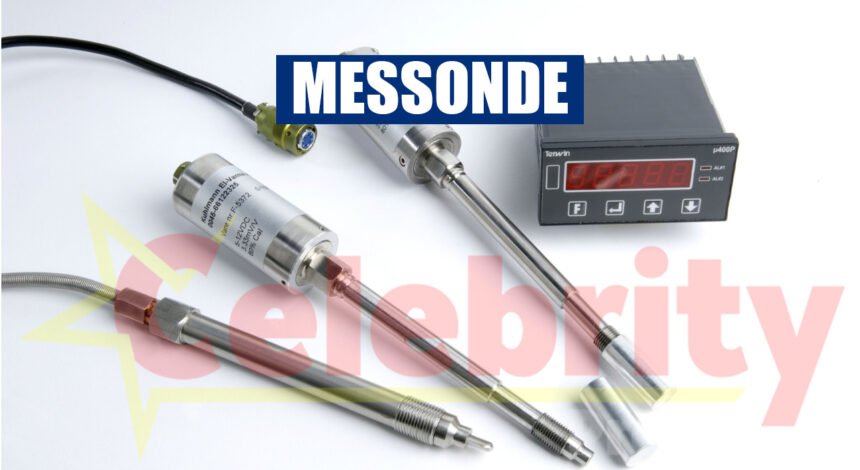
Messonde is described with unusual consistency across at least nine different content sites as relating to “measuring probes and sensors,” a real, plausible-sounding technical category. Unlike many of the wildly contradictory coined terms covered elsewhere in this series, every source found actually agrees on the same basic definition. What’s missing, however, is any independent, authoritative technical source, a manufacturer specification sheet, an engineering standards body, or an established technical dictionary entry, that would confirm “messonde” is a genuine, recognized term used within the measurement and sensor industry itself, rather than a plausible-sounding coined word that a cluster of content sites have consistently agreed to define the same way.
The Consistent Definition Found
Sources including Today’s Magazine, Magazine Rate, Novexa Magazine, Llythelabel, The Roman Magazine, Tooper Magazine, Binge Saga, Techscrope, and Peacequarters all describe Messonde in essentially the same terms: a measuring probe or sensor technology, with titles like “Exploring the Technology, Meaning, and Modern Applications of Measuring Probes” and “Measuring Probes and Sensors Explained.” This level of agreement across nine independent domains is notable and distinguishes Messonde from cases like Jipinfeiche or Nerwey, where different sources describe entirely different or loosely related concepts.
Why Consistency Doesn’t Automatically Mean Legitimacy
Definitional consistency across content-farm-style sites can happen for at least two different reasons: the term genuinely refers to something real and specific, which every accurate source would naturally describe the same way, or the first article published about the term set a template that subsequent sites, whether through direct copying, close paraphrasing, or shared automated content generation tools, simply reproduced without independently verifying the underlying claim. Distinguishing between these two explanations requires looking beyond the content cluster itself to independent, authoritative sources.
The Plausible Linguistic Origin
“Messonde” plausibly combines French-derived roots: “mesure” relates to measurement, and “sonde” is the standard French and English technical word for a probe, as in a space probe, a medical probe, or a weather sonde used in meteorology. This makes “messonde” sound like a reasonable French-derived portmanteau for a measuring probe, similar in construction to how English technical vocabulary often borrows and combines French and Latin roots. A plausible etymology, however, is not the same as a confirmed, documented term actually in use within engineering or scientific literature.
What a Genuine Technical Term Would Show
An actual, established measurement industry term would typically appear in manufacturer product catalogs from companies that make probes and sensors, in technical standards documentation from organizations like ISO or IEC, in academic or engineering literature indexed by databases like IEEE Xplore, or in multilingual technical dictionaries covering French and English scientific vocabulary. No such independent, authoritative source confirming “messonde” as an established term was identified in this research, a significant gap for a claim this specific and technical.
The Messonde.com Domain
A dedicated messonde.com domain exists, separate from the magazine-style explainer sites, which is worth noting as a distinct data point: whether this domain represents an actual company, product, or service using the Messonde name, or simply another content property built around the same term, is a detail worth checking directly before assuming either possibility.
The “Two Meanings” Outlier
One source, Pixelstoinchesconverter.org, frames Messonde as having “two meanings” rather than the single measuring-probe definition found elsewhere, introducing a degree of the same kind of inconsistency documented more dramatically in cases like Jipinfeiche, even though the primary measuring-probe definition remains the dominant, most consistently repeated claim across the broader cluster.
Comparing Messonde to Other Cases in This Series
| Case | Definitional consistency | Independent technical verification |
|---|---|---|
| Jipinfeiche | None (food, racing, philosophy, gaming) | None found |
| Nerwey | Partial (loosely related digital/business concepts) | None found |
| Pyntekvister | Full (Scandinavian decorative branches) | Confirmed via Norwegian/Danish language roots |
| Messonde | Mostly consistent (measuring probes/sensors) | Not found in engineering/standards sources |
Why This Pattern Resembles a Templated Content Rollout
The specific pattern here, nine differently branded but similarly structured “magazine” websites all publishing near-identical explainer content about the same specific technical claim within a similar timeframe, is consistent with a single piece of source content, possibly AI-generated or written once and licensed or syndicated, being redistributed across a network of content properties, a production model increasingly common in the search-traffic content economy rather than a sign of organic, independent technical reporting.
What This Means for a Curious Reader
If you encountered “Messonde” through a search result and wanted to know whether it refers to a real product or technology you could actually purchase or specify in an engineering project, the honest answer based on available research is that no verifiable technical product or documented industry term currently supports the claim, despite the surface-level consistency across the content sites making the definition themselves.
The Value of Checking Primary Technical Sources
For any specialized technical or scientific term encountered primarily through general content or “magazine” style websites rather than technical literature, checking whether the term appears in manufacturer catalogs, standards body documentation, or academic databases is a more reliable verification method than simply checking whether multiple general-content websites agree with each other, since agreement among content sites can result from copying rather than independent confirmation.
Why This Case Is Subtler Than Most Others in This Series
Messonde is a genuinely subtler case than the more clear-cut examples in this series. It isn’t wildly inconsistent like Jipinfeiche, isn’t tied to a confirmed dangerous domain like Incestflox, and isn’t obviously an unrelated real word like Pyntekvister. Instead, it occupies a middle zone: a coherent, internally consistent technical-sounding claim that simply lacks the kind of independent, authoritative confirmation that would normally accompany a genuine, established engineering term.
Considering the Possibility of a Real but Obscure Term
It remains possible that “messonde” is a genuine, if narrow or regional, technical term used within a specific industry niche or a specific non-English-speaking market that simply hasn’t been well indexed in the English-language technical sources checked during this research; this possibility can’t be entirely ruled out, but it also hasn’t been confirmed, and the burden of verification reasonably falls on sources making the specific technical claim rather than on skeptical readers to disprove it.
What a Buyer Considering “Messonde” Products Should Do
If you encountered a specific product or service being marketed under the Messonde name, rather than just the general explainer content, request the manufacturer’s specific technical documentation, including any relevant industry certifications or standards compliance information, and compare its specifications against established, well-documented probe and sensor products from known manufacturers before making a purchasing decision.
The Broader Pattern of Plausible-Sounding Technical Buzzwords
Messonde joins a recognizable pattern across the broader content economy: coined or unverified terms attached to a real, active, and often genuinely valuable technical category, in this case sensor and measurement technology, a category that has seen substantial real innovation in recent years, making a plausible-sounding new term easier to accept at face value than it might be in a less active or less rapidly evolving industry.
Why the Sensor and Measurement Industry Specifically Attracts This Pattern
Measurement and sensor technology is a genuinely fast-moving, jargon-rich field, with legitimate manufacturers regularly introducing new product lines and specialized terminology, which creates a favorable environment for a plausible-sounding coined term to blend in without immediately triggering skepticism, since readers unfamiliar with the specific, legitimate terminology already in use have little basis for comparison.
A Reasonable Overall Assessment
Based on available research, Messonde currently reads as a term with a surprisingly consistent but unverified definition, most likely originating from a single piece of syndicated or templated content describing “measuring probes and sensors” that has been reproduced with minor variation across at least nine content properties, without any independent, authoritative technical source confirming its actual use within the measurement and sensor industry.
What This Case Adds to the Series
Messonde demonstrates that definitional consistency alone, without independent authoritative verification, isn’t sufficient grounds for confidently treating a technical-sounding term as established and real, a useful complement to the more common lesson from cases like Jipinfeiche and Nerwey, where inconsistency itself was the primary warning sign.
A Note on Cross-Language Technical Terminology
It’s worth acknowledging that genuine cross-language technical borrowing does happen regularly and legitimately: many English engineering terms have French, German, or Latin roots that entered the language decades or centuries ago through real scientific exchange. This makes a plausible-sounding coined term like Messonde harder to dismiss outright on linguistic grounds alone, which is exactly why the verification standard here rests on checking authoritative technical sources rather than debating etymology in isolation.
Conclusion
Messonde is described consistently across roughly nine content sites as relating to measuring probes and sensors, a plausible and internally coherent technical claim. However, no independent, authoritative source, a manufacturer catalog, a standards body, or academic literature, was found to confirm this as an established, genuine industry term. The most likely explanation is a single piece of templated or syndicated content reproduced across a content-farm-style network rather than an independently verified technical fact.
A Quick Reference for Concerned Readers
In short: Messonde is consistently described as relating to measuring probes and sensors across many content sites, but no independent technical or industry source confirms this as an established real term, so treat any specific product claims under this name with the same verification you’d apply to any unfamiliar technical vendor.
FAQ
1. What does Messonde mean?
Content sites consistently describe it as relating to measuring probes and sensors, though no independent technical or engineering source confirms this as an established industry term.
2. Is Messonde a real technology I can buy?
No specific, independently verifiable product or manufacturer was confirmed; treat any specific commercial claims under this name with standard vendor verification.
3. Why do so many sites agree on the same definition if it isn’t verified?
The consistency likely reflects a single piece of syndicated or templated content being reproduced across multiple content properties rather than independent technical confirmation.
4. Is “messonde” a real French or English word?
It plausibly combines the French roots for “measure” and “probe” (sonde), making it sound like a reasonable technical portmanteau, but this etymology alone doesn’t confirm it as an established, documented term.
5. Should I be worried about a scam if I encounter Messonde?
No specific security or financial risk was identified in this research; the concern here is about unverified technical claims rather than active fraud or malware.
6. How is Messonde different from a completely inconsistent term like Jipinfeiche?
Messonde’s sources largely agree with each other, unlike Jipinfeiche’s wildly contradictory claims, making it a subtler case of unverified-but-consistent content rather than obviously incoherent filler.
7. What would confirm Messonde as a genuine technical term?
Appearance in manufacturer specification sheets, engineering standards documentation, or academic literature indexed in databases like IEEE Xplore would meaningfully strengthen the claim.
8. Is messonde.com an official company site?
A dedicated domain exists separate from the explainer-style sites, but its exact nature, an actual company, a content property, or something else, wasn’t independently confirmed and is worth checking directly.
9. Could Messonde be a real but obscure regional technical term?
This is possible and can’t be entirely ruled out, though it hasn’t been confirmed by any independent source checked during this research.
10. What should I do if someone tries to sell me a “Messonde” branded sensor product?
Request specific technical documentation and standards compliance information, and compare the product’s specifications against established, well-documented sensor products from known manufacturers before purchasing.
11. What’s the broader lesson from this specific case?
That agreement among general content sites isn’t the same as independent technical verification, and for any specialized technical claim, checking manufacturer and standards sources directly remains more reliable than checking whether general-content websites simply repeat the same claim as each other, no matter how many of them happen to do so or how confidently and consistently they present that shared, unverified claim as settled technical fact.