
Uvlack is a word that shows up often in search results, and the most accurate answer is more specific than many articles suggest. Uvlack refers to UV lacquer, a coating used widely in the printing and packaging industry, particularly common in European technical and trade language, where “lack” is simply the German and Scandinavian word for lacquer or varnish. This guide explains what UV lacquer actually is, how it works, and why some websites describe the term very differently.
What Uvlack Actually Refers To
In printing and packaging, a lacquer or varnish coating is applied to a printed surface to protect it and improve its appearance. UV lacquer, sometimes written as uvlack or UV lack, specifically refers to a lacquer that is cured, meaning hardened, using ultraviolet light rather than air drying or heat alone.
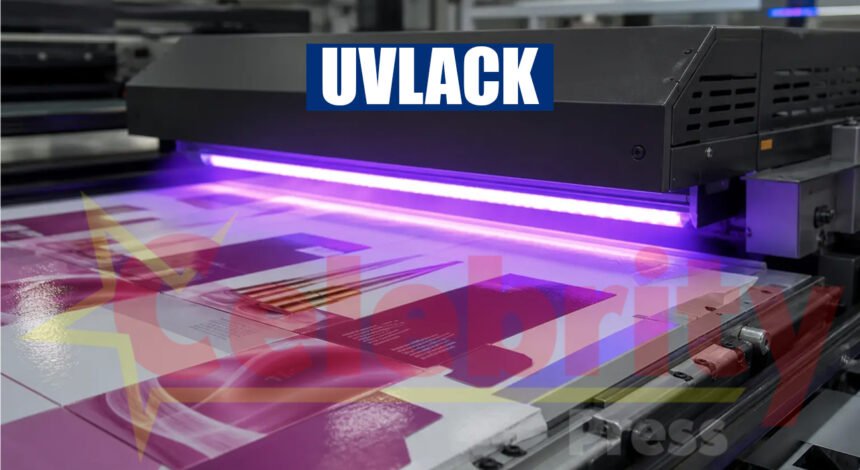
This UV curing process happens very quickly once the coated material passes under a UV light source, allowing the lacquer to harden almost instantly. This is part of why UV coatings are widely used in high volume commercial printing, where speed and consistency matter for large production runs.
Why Businesses Use UV Lacquer Coatings
UV lacquer offers several practical benefits for printed materials. It provides strong protection against scratches, moisture, and general wear, which helps printed items such as packaging, business cards, and brochures maintain their appearance over time. It can also be applied to create different finish styles, including a high gloss shine, a soft matte look, or a textured, tactile surface, depending on the desired final effect.
Because the curing process is fast and produces a durable result, UV lacquer has become a standard finishing option across many areas of commercial printing, from product packaging and cosmetic boxes to marketing materials and premium print items that benefit from a more polished, professional appearance.
Common Applications of UV Lacquer Coatings
UV lacquer coatings appear across a wide range of everyday printed products. Packaging for retail products, particularly in cosmetics, food, and consumer goods, often uses UV coating to create an attractive, durable finish that stands out on store shelves. Business cards and premium marketing materials frequently use a UV coated finish, sometimes applied only to specific design elements, known as spot UV, to create contrast between glossy and matte areas.
Book covers, greeting cards, and various promotional materials also commonly use UV lacquer finishes, both for visual appeal and to protect the printed surface from handling and everyday wear.
Why Some Websites Describe Uvlack Very Differently
If you search for uvlack, you will likely also find articles describing it as a digital platform, a content creation tool, or an emerging technology product, with no connection at all to printing or coatings. These descriptions do not appear to reference the actual, well established printing industry meaning of the term.
This kind of mismatch is common with technical industry terms that are less familiar to a general audience. Since uvlack combines the recognizable letters “UV” with an unfamiliar word, some general content sites appear to have built unrelated, generic technology or digital platform content around the term without addressing its real, established meaning in the printing and packaging trade.
How to Tell the Difference Between Accurate and Inaccurate Content
If an article about uvlack does not mention printing, coatings, lacquer, varnish, or packaging finishing at all, that is a strong sign the content may not reflect the term’s actual, established meaning. Genuine, accurate information on this topic typically comes from printing industry resources, packaging and print finishing suppliers, or established trade publications that specialize in commercial printing techniques.
Cross referencing a claim across more than one reliable, industry specific source is generally the safest way to confirm accurate information about a specialized technical term like this.
The Basic Process Behind UV Lacquer Coating
Applying a UV lacquer coating generally follows a similar basic process across different printing setups. The lacquer is applied to the printed surface using specialized printing or coating equipment, often as an additional pass after the main printing process is complete. The coated material then passes under a UV light source, which triggers a rapid chemical reaction that hardens the lacquer within seconds.
Because this curing process happens so quickly, UV lacquer coating fits well into fast, high volume production environments, where waiting for a traditional coating to air dry would significantly slow down the overall printing process.
UV Lacquer Compared to Other Finishing Options
| Finish Type | How It Cures or Dries | Key Characteristic |
|---|---|---|
| UV lacquer | Hardens almost instantly under UV light | Fast, durable, available in gloss or matte finishes |
| Water based coating | Air dries over a longer period | Generally more affordable, less scratch resistant |
| Aqueous coating | Dries using heat and air circulation | Environmentally friendly, moderate durability |
| Lamination | Applied as a plastic film layer | Very durable, but adds a distinct plastic feel |
This comparison shows that UV lacquer stands out mainly for its speed and durability, making it a popular choice when a fast production timeline and a strong, protective finish are both important.
Common Misunderstandings About Uvlack
Misunderstanding 1: Uvlack is a digital tool or software platform. Based on the term’s established meaning, it refers to a physical coating process used in printing and packaging, not a digital product or platform.
Misunderstanding 2: UV lacquer is the same as regular varnish. While both serve a similar protective purpose, UV lacquer specifically cures using ultraviolet light, which allows for a much faster hardening process than traditional varnish.
Misunderstanding 3: UV coating only comes in a glossy finish. UV lacquer is available in multiple finish styles, including matte and textured options, not just high gloss.
Simple Tips If You Are Considering UV Lacquer for a Project
- Decide whether you want a full coverage finish across the entire printed piece or a spot UV effect applied only to specific design elements.
- Choose between a gloss, matte, or textured finish based on the overall look and feel you want for your project.
- Confirm with your printing provider whether their equipment supports UV coating, since not every printer offers this finishing option.
- Ask for a physical sample if possible, since the tactile feel of a UV coated finish can be difficult to judge from a digital preview alone.
- Factor in slightly higher costs compared to basic printing, since UV coating is considered a premium finishing option.
Why Understanding the Real Meaning Matters
Searching for uvlack and landing on generic, unrelated technology content instead of information about an actual, well established printing technique can be frustrating, especially for anyone working on a packaging or print project who needs accurate technical information. Recognizing that the term has a clear, specific meaning in the printing and coatings industry can help you find genuinely useful information more quickly.
The Environmental Considerations Behind UV Curing
One often overlooked benefit of UV lacquer coating relates to its environmental profile compared to some older finishing methods. Because the lacquer cures almost instantly under UV light rather than evaporating solvents into the air over an extended drying period, UV coatings generally release fewer volatile organic compounds, often shortened to VOCs, during the curing process compared to certain traditional solvent based coatings.
This lower VOC profile has made UV curing technology increasingly attractive to printing and packaging companies aiming to reduce their environmental impact, alongside the practical benefits of faster production speeds and reduced energy use associated with quick curing compared to longer, heat based drying processes.
Equipment and Technical Requirements
Applying UV lacquer coatings requires specialized equipment not found in every printing setup. A UV coating unit typically includes a mechanism for evenly applying the liquid lacquer to the printed surface, followed by a UV lamp or LED curing system positioned to expose the coated material as it passes through.
Because of this equipment requirement, not every commercial printer offers UV coating as a standard service, and businesses interested in this finish should confirm directly with their chosen print provider whether the necessary equipment and expertise are available for their specific project.
Spot UV Versus Full Coverage Coating
Within UV lacquer applications, a further distinction exists between full coverage coating, where the entire printed surface receives the UV finish, and spot UV, where the coating is applied only to specific design elements, such as a logo, headline, or particular image. Spot UV creates a noticeable contrast between the glossy, coated areas and the surrounding matte or uncoated surface, often used deliberately to draw attention to a specific design feature.
This technique has become particularly popular for premium business cards, book covers, and packaging designs where a distinctive, tactile visual contrast helps a printed piece stand out.
Cost Considerations for UV Coating Projects
UV lacquer coating is generally considered a premium finishing option, meaning it typically costs more than basic, uncoated printing. The exact cost difference depends on factors such as whether full coverage or spot UV is chosen, the size and quantity of the printed materials, and the specific printing provider’s pricing structure.
For businesses considering this option, weighing the added cost against the intended use of the printed material often helps clarify whether the investment makes sense, since a premium finish may matter more for materials meant to create a strong first impression, such as marketing collateral or retail packaging, compared to more routine, internal use documents.
The Difference Between UV Coating and UV Printing
It is worth distinguishing UV lacquer coating from a related but separate technology, UV printing, where UV curable inks themselves, rather than a separate clear lacquer layer, are cured under UV light immediately after being printed onto a surface. While both technologies rely on the same basic UV curing principle, UV printing refers to the ink application process itself, while UV lacquer coating refers specifically to an additional protective or decorative layer applied over already printed material.
Understanding this distinction helps avoid further confusion when researching UV related printing technology, since both terms are common in the industry but refer to different stages of the overall printing and finishing process.
Choosing the Right Finish for Your Specific Project
Selecting between UV lacquer and other finishing options ultimately depends on your specific goals for a printed piece. A retail product aiming to stand out on a crowded shelf might benefit most from a high gloss, full coverage UV finish, while a piece of premium stationery might use a subtle spot UV effect to highlight a logo without overwhelming the overall design.
Consulting directly with an experienced print provider about your specific goals, budget, and timeline remains the most reliable way to determine whether UV lacquer coating, or an alternative finishing method, best fits your particular project and the impression you want it to leave on the people who receive it.
Conclusion
Uvlack refers to UV lacquer, a fast curing, durable coating widely used in commercial printing and packaging to protect printed materials and enhance their visual appeal. While some unrelated websites use the term to describe generic digital platforms or technology concepts, the accurate and useful answer points directly to this well established printing and packaging finishing technique.
Frequently Asked Questions
1. What does uvlack actually refer to?
It refers to UV lacquer, a coating used in printing and packaging that hardens quickly under ultraviolet light.
2. Is UV lacquer the same as regular varnish?
Not exactly. UV lacquer cures almost instantly under UV light, while traditional varnish typically air dries over a longer period.
3. What finishes are available with UV lacquer coating?
It can be applied in several finish styles, including high gloss, matte, and textured options, depending on the desired look.
4. Why do some articles describe uvlack as a digital platform?
Some general content sites appear to have built unrelated technology content around the term without addressing its actual meaning in the printing industry.
5. Where is UV lacquer commonly used?
It is commonly used on packaging, business cards, marketing materials, book covers, and other printed products that benefit from a durable, polished finish.