

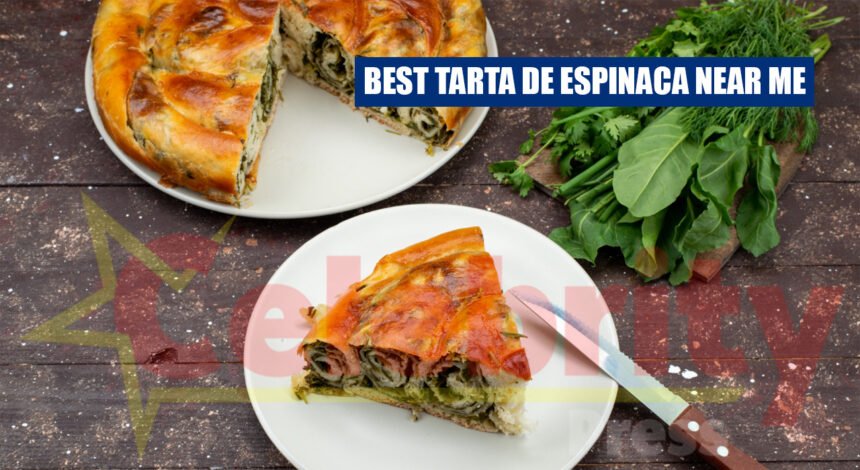
Best tarta de espinaca near me is one of the most common food searches for anyone who loves a warm, savory pie with a flaky crust and a soft, cheesy spinach filling. This dish has quietly become a favorite comfort food across the United States, showing up on menus at bakeries, cafés, and Latin American restaurants. If you have never tried it, you are in for a treat. If you already love it, you probably know how hard it can be to find a version that gets the crust, the filling, and the seasoning just right.
This guide will walk you through everything you need to know about tarta de espinaca. You will learn what the dish actually is, where it comes from, what separates a great slice from an average one, and how to track down the best options in your area. By the end, you will know exactly what to look for the next time you search for this savory pie near you.
What Is Tarta de Espinaca
Tarta de espinaca simply means “spinach tart” or “spinach pie” in Spanish. At its core, it is a savory baked dish with a pastry crust on the outside and a soft, creamy spinach filling on the inside. Most recipes combine fresh or frozen spinach with eggs and a soft cheese such as ricotta, feta, or a mild queso fresco. Cooks often add sautéed onion, garlic, and a small pinch of nutmeg to round out the flavor.
The dish is closely related to a few other well known pies from around the world. In Argentina and Uruguay, a very similar pie called torta pascualina uses the same spinach and cheese filling, but it traditionally includes hard boiled eggs nestled inside. In Greece, the same basic idea appears as spanakopita, made with layers of crisp phyllo dough instead of a thick pastry crust. Italy has its own version, often called torta pasqualina, with a light and flaky oil based crust. Even France has a cousin of the dish, tarte aux épinards, which swaps in Gruyère cheese and leeks.
While these pies come from different countries, they all share the same basic idea: fresh greens, a rich and slightly tangy cheese filling, and a crust that holds everything together. That family resemblance is part of why tarta de espinaca has become so easy to find outside of Spanish and Latin American kitchens. Restaurants that specialize in Mediterranean or Latin cuisine often carry a version of it, even if the name on the menu is different.
A Short History of the Dish
The roots of tarta de espinaca trace back to Mediterranean and European savory pie traditions. Immigrants, many from Italy and Spain, brought these recipes with them to South America during the nineteenth and twentieth centuries. Once the dish landed in places like Argentina and Uruguay, local cooks adapted it using regional ingredients and their own family techniques.
One popular version, torta pascualina, gets its name from the word “Pascua,” which is Spanish for Easter. It was traditionally served during the Easter season, but over time it became a year round favorite rather than a holiday only dish. Today, tarta de espinaca and its many regional cousins are staples on home tables and in bakeries throughout South America, and the recipe continues to travel with immigrant communities into cities across the United States.
This blend of tradition and gradual change is part of what makes the dish so interesting. A tarta de espinaca made by a Colombian grandmother might use a béchamel style sauce, while one from an Argentine bakery might lean on a flaky, oil based crust with hard boiled eggs tucked inside. Neither version is wrong. They are simply different branches of the same culinary family tree.
What Makes a Truly Great Tarta de Espinaca
Not every spinach pie is created equal. Some are dry and bland, while others are rich, fresh, and full of flavor. Here is what separates the best versions from the rest.
Fresh, Well Drained Spinach
The best tarta de espinaca starts with quality spinach. Fresh spinach tends to give a brighter color and a cleaner taste, though frozen spinach can work just as well if it is thawed and squeezed thoroughly before use. The biggest mistake home cooks and even some restaurants make is skipping this step. Spinach holds a surprising amount of water, and if that water is not removed, the filling turns soggy and the crust never crisps up properly.
A Balanced, Creamy Filling
A great filling should look bright green and feel creamy, not watery or dry. The cheese should be soft enough to blend smoothly with the spinach, and the seasoning should be balanced rather than overwhelming. A touch of nutmeg is traditional and adds warmth without taking over the dish. Garlic and sautéed onion give the filling depth, while a well beaten egg helps everything set properly during baking.
A Golden, Flaky Crust
The crust matters just as much as the filling. It should be golden brown, thin, and crisp, never pale, greasy, or undercooked. Some bakeries use a butter based shortcrust, while others prefer a lighter, olive oil based dough that is common in Spanish and South American kitchens. Either style can be excellent as long as it is baked long enough to fully cook through and hold its shape when sliced.
Freshness on the Day You Buy It
Even a well made tarta de espinaca can suffer if it sits around too long. Look for shops that bake in small batches throughout the day rather than leaving pies out for hours. A pie that was made that same morning will almost always taste better than one that has been sitting in a display case since the day before.
Where to Look for the Best Tarta de Espinaca Near You
Finding a great slice usually takes a little more effort than picking whichever bakery happens to be closest. Here are the best places to start your search.
Latin American and Argentine Bakeries
If your goal is an authentic tarta de espinaca or torta pascualina, a Latin American or Argentine bakery is usually your best bet. These shops often sell it alongside empanadas, alfajores, and other traditional baked goods, and the staff typically understands the right balance between crust and filling. Cities with large Latin American communities, including Miami, Los Angeles, New York, Chicago, and Houston, tend to have more of these specialty bakeries.
Spanish Delis and Tapas Restaurants
Spanish delis and tapas style restaurants are another strong option. Many of these spots sell savory pies and pastries by the slice, which makes them perfect for a quick lunch or a light snack. Because the focus is on Spanish cuisine specifically, the seasoning and crust style are more likely to match the traditional version of the dish.
Mediterranean and Greek Restaurants
Since spinach pie is beloved throughout the Mediterranean, Greek and Italian restaurants are worth checking too. They may sell a version under a different name, such as spanakopita or torta pasqualina, but the core flavors of spinach, cheese, and flaky pastry remain very similar. If you enjoy tarta de espinaca, there is a good chance you will enjoy these close relatives as well.
Farmers Markets and Specialty Food Shops
Farmers markets and specialty grocery stores often feature small, local vendors who focus on fresh, seasonal cooking. These vendors frequently make savory pies from scratch using seasonal produce, which can result in a filling that tastes noticeably fresher than what you might find at a large chain restaurant. It is always worth asking vendors directly whether they bake fresh that day and how the pie is stored.
Online Reviews and Delivery Apps
Once you have a shortlist of places, online reviews can help you narrow it down further. Look for comments that mention freshness, texture, and portion size rather than reviews that only talk about price or service speed. Photos in reviews can also give you a preview of the crust color and filling consistency before you order.
Food delivery apps such as DoorDash, Uber Eats, and Grubhub let you search directly for “spinach pie” or “tarta de espinaca” to see which restaurants near you carry it. This can be a fast way to compare several nearby options without having to visit each one in person.
Homemade Versus Store Bought Tarta de Espinaca
If you cannot find a version you love nearby, making tarta de espinaca at home is a realistic option, even for a fairly new cook. The dish does not require any unusual equipment, and most of the ingredients are easy to find at a regular grocery store.
A basic homemade version generally follows these steps. Sauté chopped onion and garlic until soft. Mix in well drained spinach, along with your cheese of choice and one or two eggs. Season the filling with salt, pepper, and a small pinch of nutmeg. Line a pie dish with your crust, add the filling, top with a second layer of crust if you prefer a double crust pie, and bake at around 350 to 375 degrees Fahrenheit until the top turns golden brown, which usually takes 35 to 50 minutes depending on the size of the pie.
Making it at home gives you full control over the ingredients, which is especially helpful if you are managing a dietary restriction or simply prefer a lighter, less salty filling. On the other hand, buying from a bakery or restaurant saves time and lets you compare different regional styles without committing to a whole pie. Many people end up doing both, picking up a slice when they are out and about, and baking a full pie at home for special occasions or gatherings.
Nutrition and Health Considerations
Tarta de espinaca can fit comfortably into a balanced diet, especially compared to many other pastry based dishes. Spinach itself is low in calories and provides fiber, iron, and vitamins A and C. The cheese and egg in the filling add protein, which helps make the dish more filling than a typical vegetable side.
That said, portion size and crust type make a real difference. A pie made with a heavier butter crust and a generous amount of cheese will naturally be higher in calories and saturated fat than a lighter, olive oil based version with a modest amount of cheese. If you are watching your sodium or fat intake, it is reasonable to ask a bakery or restaurant how the pie is prepared, or to request a smaller slice. Homemade versions also make it easy to swap in a reduced fat cheese or a whole wheat crust without sacrificing much flavor.
How to Serve and Pair Tarta de Espinaca
Tarta de espinaca is remarkably versatile, which is part of why it has stayed popular for generations. It can be served warm or at room temperature, as a main course or as a side dish. A simple green salad with a light vinaigrette pairs nicely, since the acidity balances the richness of the cheese filling. For a heartier meal, a slice works well alongside grilled chicken, roasted vegetables, or a light soup.
Leftovers store well too. Wrapped tightly and kept in the refrigerator, tarta de espinaca generally stays fresh for three to four days. Many versions also freeze well, so you can bake a full pie, slice it, and freeze individual portions for a quick meal later in the week. Reheating in an oven or toaster oven rather than a microwave will help keep the crust crisp instead of soft.
Tips for Choosing the Best Option Near You
Before you commit to a bakery or restaurant, keep these simple tips in mind. Ask whether the pie is baked fresh that day, since freshness has a bigger impact on flavor than almost any other factor. Look closely at the crust color in photos or in person, aiming for a deep golden brown rather than pale or greasy. Check that the filling looks bright green and creamy rather than watery or dull. Read a handful of recent reviews rather than relying on the overall star rating alone, since recent feedback reflects current quality more accurately. Finally, do not be afraid to try a few different spots. Tarta de espinaca varies quite a bit from one kitchen to the next, and part of the fun is discovering which style you personally enjoy the most.
Conclusion
Tarta de espinaca is a comforting, versatile dish with deep roots in Spanish, Italian, and South American cooking traditions. Whether you find it at a Latin American bakery, a Spanish deli, a Greek restaurant, or your own kitchen, the best versions all share the same basic traits: fresh spinach, a balanced and creamy filling, and a crust that is baked to a perfect golden brown. Use the tips in this guide to compare your local options, and do not hesitate to try a slice from a few different places until you find the one that becomes your favorite.
Frequently Asked Questions
What does tarta de espinaca taste like?
It has a savory, slightly earthy flavor from the spinach, balanced by the richness of cheese and eggs. A pinch of nutmeg often adds a warm, subtle spice in the background.
Is tarta de espinaca the same as spanakopita?
They are closely related but not identical. Spanakopita is a Greek dish made with layers of thin phyllo dough, while tarta de espinaca typically uses a thicker pastry crust. Both share the same core filling of spinach, cheese, and eggs.
Can I make tarta de espinaca ahead of time?
Yes. You can bake it a day in advance and store it in the refrigerator, then reheat it in the oven before serving. Many people also freeze individual slices for quick meals later.
Is tarta de espinaca a healthy option?
It can be a reasonably balanced choice, since spinach adds fiber and vitamins while eggs and cheese provide protein. Portion size and crust type will affect the overall calorie and fat content.
Where is the best place to find tarta de espinaca near me?
Latin American and Argentine bakeries tend to offer the most authentic versions, while Spanish delis, tapas restaurants, and Greek or Italian restaurants often carry similar styles under different names.